 blog
blog
10 Fun School Readiness Activities for Preschoolers
Table of Contents
- 10 Fun School Readiness Activities for Preschoolers
- Fine Motor Activities for Preschoolers That Build Pencil Control
- Early Literacy Activities for Preschoolers: Beyond Picture Books
- Frequently Asked Questions
Last Updated: October 16, 2026
10 Fun School Readiness Activities for Preschoolers
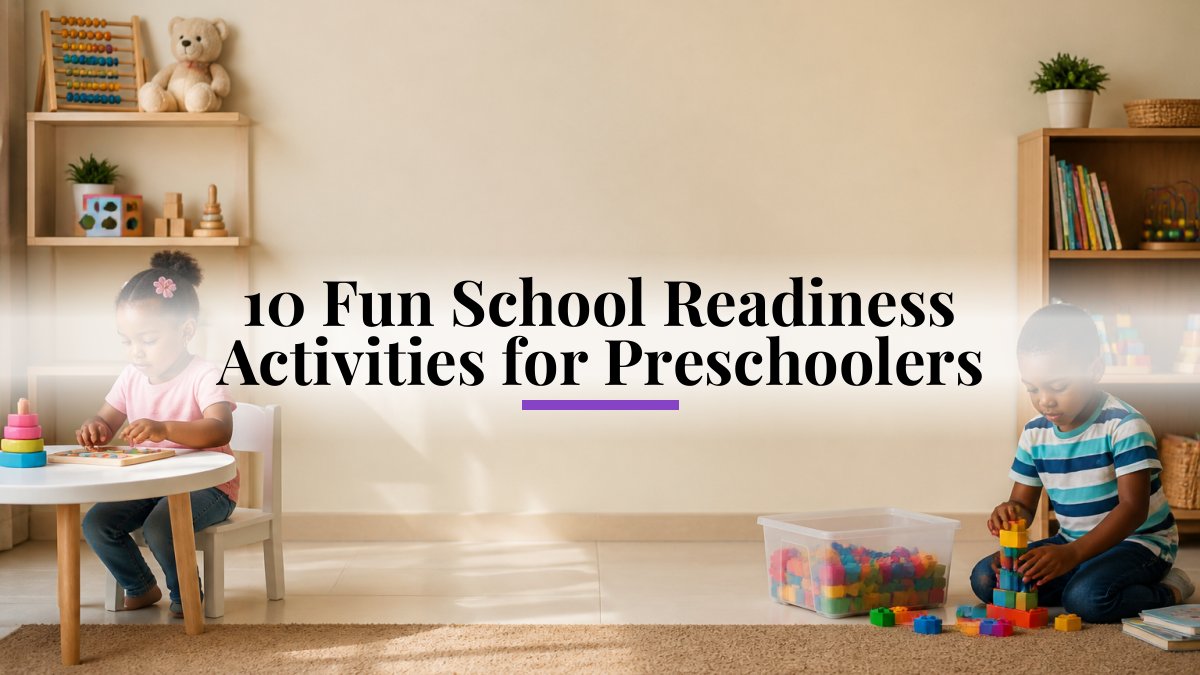
At MasterKids, we believe 10 fun school readiness activities for preschoolers build confidence, independence and essential skills through play.
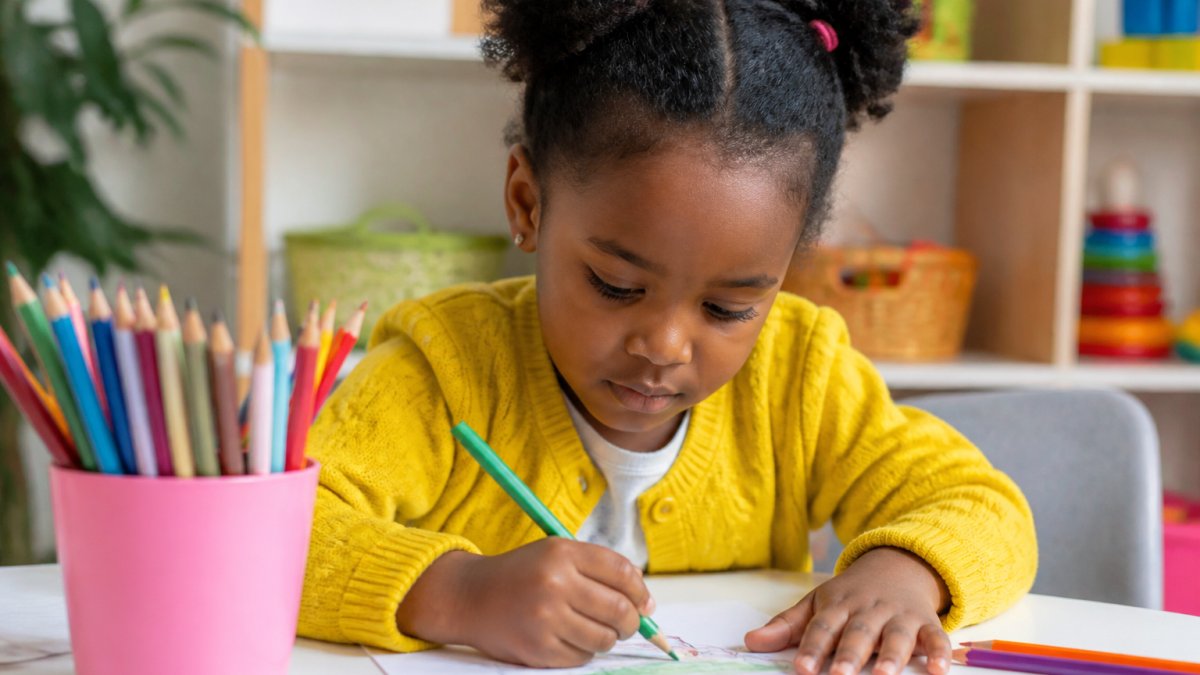
These hands-on activities build fine motor control, early literacy, language and self-regulation without formal lessons.
Activity 1: Rainbow Writing
Your child traces letters and numbers with coloured pencils, starting thick then moving to thinner ones, building fine motor control and letter familiarity.
Activity 2: Sorting Games
Sort buttons, beads or pasta by colour, size or shape in a muffin tin to develop visual perception and early maths thinking.
Activity 3: Threading Beads
Large beads and thick string build hand strength and coordination; progress to smaller materials as skills improve.
Activity 4: Picture Card Matching
Make picture card pairs or use flash cards. Matching builds memory and vocabulary as you name each picture together.
Activity 5: Book Exploration
Let your child choose books and turn pages at their own pace, pointing out letters and pictures. Early literacy starts with enjoying stories.
Activity 6: Cutting Practice
Child-safe scissors and paper strips develop the hand muscles needed for writing. Supervise closely and celebrate every snip.
Activity 7: Simple Card Games
Snap or Go Fish teach turn-taking, rules and social skills. Keep rounds short and fun.
Activity 8: Counting Real Objects
Count toys, stairs or fingers during everyday moments. Maths develops naturally when numbers are part of daily life.
Activity 9: I-Spy Games
I-Spy builds observation and vocabulary; "I spy something red" teaches colour recognition and listening.
Activity 10: Role-Play Scenarios
Set up pretend play with dolls or simple props. Role-play builds language, social skills and confidence.
Fine Motor Activities for Preschoolers That Build Pencil Control
Fine motor skills form the foundation for writing. Rainbow writing, threading beads and cutting strengthen the small muscles in your child's hands.
Don't force a specific grip; offer thick pencils and chunky crayons. Grip refines as hand strength improves.
Short, regular practice of 5 to 10 minutes a few times a week beats occasional longer sessions. Keep it playful and stop before frustration sets in.
Early Literacy Activities for Preschoolers: Beyond Picture Books
Early literacy isn't about teaching reading before school; it's about building a love of stories and familiarity with words.
Read aloud daily for 10 minutes, letting your child choose books and ask questions. Name letters on signs, packets and clothing without making it a lesson.
Sing songs, chant nursery rhymes and make silly word sounds together. This builds phonological awareness, essential for reading later.
Point out your child's name on cards, labels and signs. Recognising their own name is often the first step toward letter recognition.
| Activity Type | Skill Built | Time Needed | Materials |
|---|---|---|---|
| Picture book reading | vocabulary, listening | 10 minutes | books |
| Rhyme songs | sound awareness | 5 minutes | voice only |
| Name spotting | letter recognition | ongoing | everyday items |
| Card matching | memory, vocabulary | 10 minutes | flash cards |
Frequently Asked Questions
What skills should a preschooler practise before starting school?
Preschoolers benefit from practising fine motor skills (cutting, drawing, pencil grip), early literacy (letter recognition, enjoying books), early numeracy (counting, sorting), language development (speaking in sentences, vocabulary), self-regulation (managing emotions, following routines), independence (self-help skills like dressing), and social skills (playing with others, turn-taking). Play-based activities make learning these school readiness skills natural and enjoyable.
How can play help a child get ready for school?
Learning through play builds developmental skills without pressure. Board games develop turn-taking and attention. Cutting and pasting activities strengthen fine motor control. Shared reading nurtures early literacy. Role-play develops social-emotional skills and self-regulation. These activities prepare children for school readiness by making learning feel like fun rather than formal instruction.
What materials do I need for school readiness activities at home?
Most activities use household items: coloured pencils, paper, playdough, scissors, magazines for cutting, picture cards, buttons or beads for sorting, and simple board games. MasterKids offers a curated selection of safe, high-quality toys, STEM kits, and educational resources designed to prepare young minds for the future.
When you're ready to support your child's school readiness with quality educational toys and resources, explore what MasterKids offers. We stock carefully selected items designed to make learning through play engaging, safe, and affordable for every stage of childhood development.
The key to school readiness is simple: play regularly, keep activities short and fun, and trust that your child is learning through every game, story, and creative moment you share together.