 blog
Affordable Learning Toys for Preschoolers
Table of Contents
- Why Learning Toys Matter for Preschoolers
- Learning Toys for 3-Year-Olds: Building Blocks and Fine Motor Skills
- Learning Toys for 4-Year-Olds: Problem-Solving and Cognitive Growth
- Frequently Asked Questions
Last Updated: October 20, 2026
Why Learning Toys Matter for Preschoolers
Play is where preschoolers learn best. With affordable learning toys for preschoolers, children build foundations for reading, maths, problem-solving, and social skills. Quality developmental toys support cognitive development, fine motor skills, and creative thinking.
Research shows preschoolers who play with educational materials develop stronger spatial reasoning and hand-eye coordination, whilst open-ended play with blocks and puzzles encourages critical thinking.
Learning Toys for 3-Year-Olds: Building Blocks and Fine Motor Skills
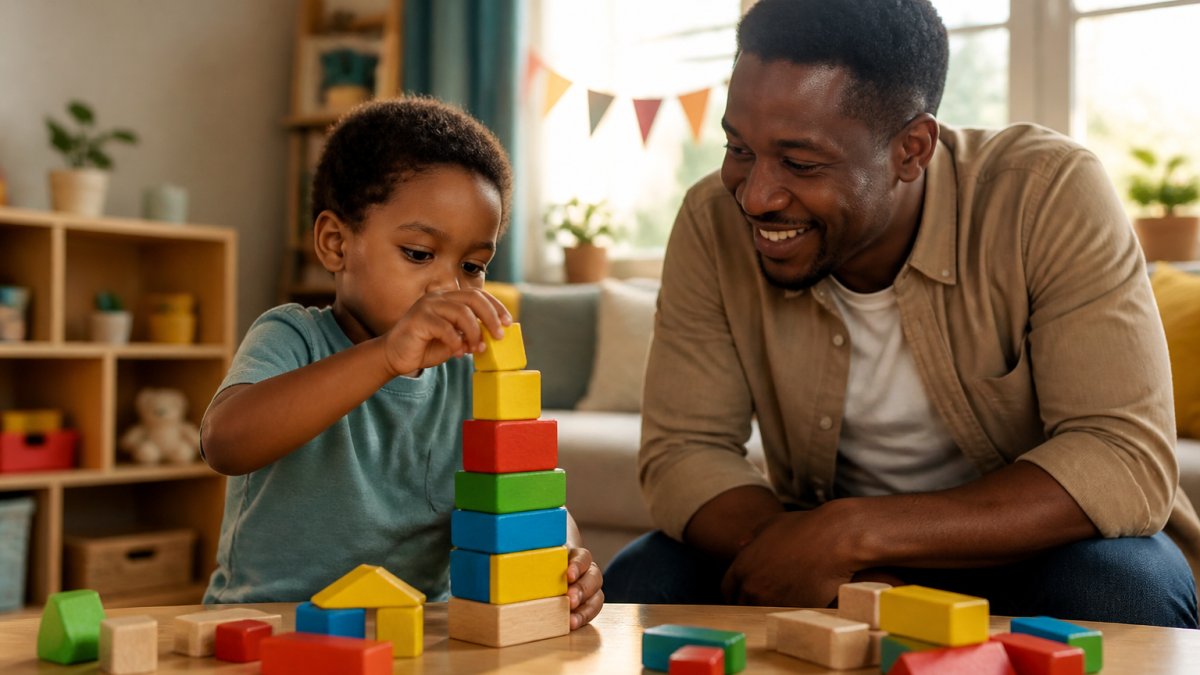
Three-year-olds are developing hand strength and coordination. Building blocks, stacking toys, and shape sorters build fine motor skills whilst encouraging spatial reasoning.
Preschoolers benefit from toys with immediate, visible results. When a block tower falls or a puzzle piece clicks into place, children see the outcome of their actions.
Tactile learning is crucial for three-year-olds, and toys with different textures stimulate sensory development. We curate toys that meet international safety standards, so you can feel confident your child plays with safe, non-toxic materials.
Learning Toys for 4-Year-Olds: Problem-Solving and Cognitive Growth
Four-year-olds are ready for more complex challenges, when affordable learning toys for preschoolers shift toward problem-solving and early numeracy. Puzzles, counting games, and logic toys develop critical thinking, whilst pattern recognition prepares children for school.
Children this age enjoy toys requiring planning and sequencing. Building challenges and pattern-building games encourage them to think ahead and test different approaches, teaching that mistakes are part of learning.
Imaginative play expands at four years old. Role-playing sets and open-ended toys let children explore social-emotional growth, whilst storytelling builds literacy skills.
| Toy Type | Age Best Suited | Key Skill Developed | Why It Matters |
|---|---|---|---|
| Building blocks | 3-4 years | Fine motor skills, spatial reasoning | Foundation for STEM thinking |
| Puzzles (12-24 pieces) | 4+ years | Problem-solving, hand-eye coordination | Builds confidence and persistence |
| Counting toys | 3-4 years | Numeracy, number recognition | Early maths readiness |
| Magnetic tiles | 3-5 years | Creativity, spatial awareness | Open-ended play encourages exploration |
| Shape sorters | 2-4 years | Cognitive matching, fine motor skills | Teaches classification and patience |
Choosing affordable learning toys for preschoolers means finding toys that deliver real developmental value. The toys that matter most are the ones your child reaches for again and again. Every product meets rigorous safety standards, and our nationwide delivery makes educational play accessible to every child.
Frequently Asked Questions
How do I choose safe learning toys for a preschooler?
Look for toys made from non-toxic materials, free from sharp edges or small parts that could be choking hazards. Check that products meet international safety standards and have been tested for durability. At MasterKids, we curate every toy to ensure it's age-appropriate and safe for young children. Read product descriptions carefully to understand which developmental stage each toy targets, and avoid anything with loose buttons or detachable pieces for children under three.
What can preschoolers learn from educational toys?
Educational toys build fine motor skills, hand-eye coordination, problem-solving abilities, and early literacy and numeracy skills. Open-ended play materials encourage imaginative play and creative expression, whilst building blocks develop spatial reasoning. Sensory toys support tactile learning, and role-playing sets foster social-emotional growth. Through play-based learning, preschoolers develop critical thinking skills and confidence as they explore, experiment, and discover at their own pace.
Can everyday household items be used as learning toys?
Yes. Wooden spoons, plastic containers, dried pasta, and fabric scraps can support sensory play and creative exploration. Safe kitchen items encourage problem-solving as children sort, stack, and experiment. However, purchased educational toys are specifically designed to target developmental milestones and are tested for safety. A mix of curated learning toys and open-ended household materials provides the richest play experience and supports all areas of early childhood development.