 how-to
Safe Online Toy Shopping Tips for Parents
Table of Contents
- How to Check If a Toy Is Safe Before You Buy
- Recognising Counterfeit Toys in Online Marketplaces
- Safe Online Toy Shopping: Smart Buying Habits That Protect Your Child
- Is an Organic Cotton Plush Toy Worth It?
Last Updated: August 18, 2026
How to Check If a Toy Is Safe Before You Buy
Safe online toy shopping starts with knowing what to look for. Here is a practical checklist to run through before every purchase:
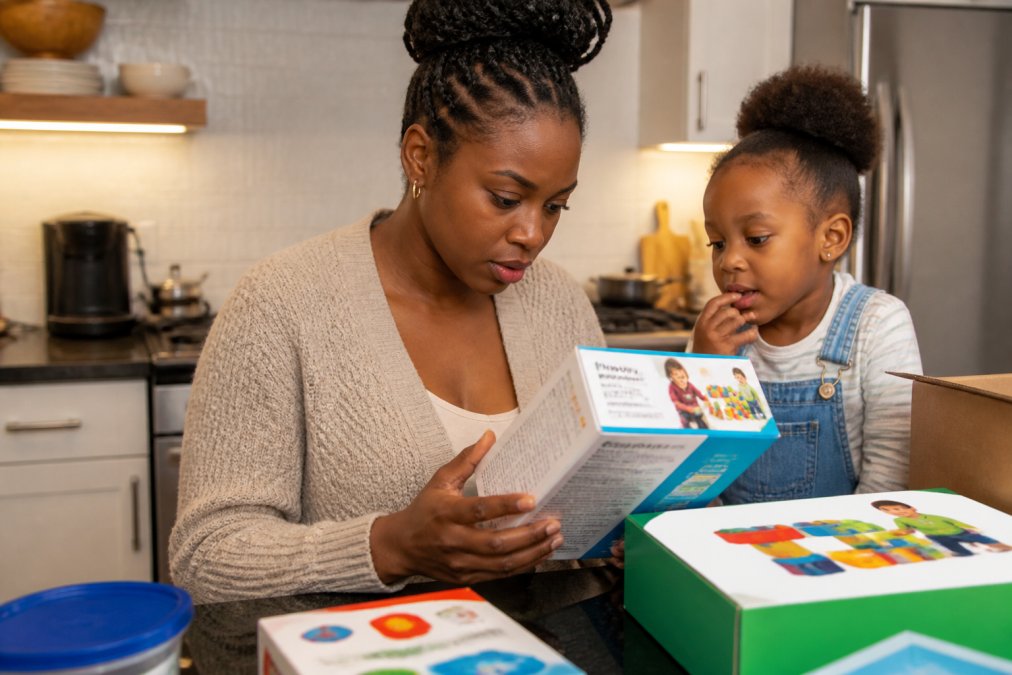
- Check the age recommendation. Every toy sold by a reputable retailer carries an age-appropriate label. A toy rated for children aged three and above may contain small parts that are a choking hazard for younger children.
- Look for safety certification marks. Reliable toys carry the CE mark or UKCA mark, which confirm that the product has been tested against recognised safety standards.
- Read the safety warnings carefully. Packaging should state clearly whether the toy contains small parts, foam components, or soft toy filling that could pose a risk.
- Inspect the materials. Look for listings that specify non-toxic, BPA-free, or food-grade materials, particularly for toys aimed at infants.
- Check for sharp edges. Product photos should show smooth, rounded finishes. If the images are blurry or inconsistent, that is a reason to pause.
- Verify the battery compartment. Button batteries are among the most serious hazards in children's toys. A secure, screw-fastened battery compartment is essential for any battery-operated toy.
According to guidance from the Standards Organisation of Nigeria, toys sold must comply with national product safety requirements before they reach a child's hands.
Recognising Counterfeit Toys in Online Marketplaces
Counterfeit toys are a genuine problem in online marketplaces. Without the right knowledge, it is easy to be misled by a convincing imitation at a tempting price.
Watch for these red flags:
- Pricing that seems too good. If a well-known branded toy is listed at a fraction of the usual price, the product is likely counterfeit.
- Vague or missing seller information. A reputable seller will have a clear business name, contact details, and a verifiable return policy.
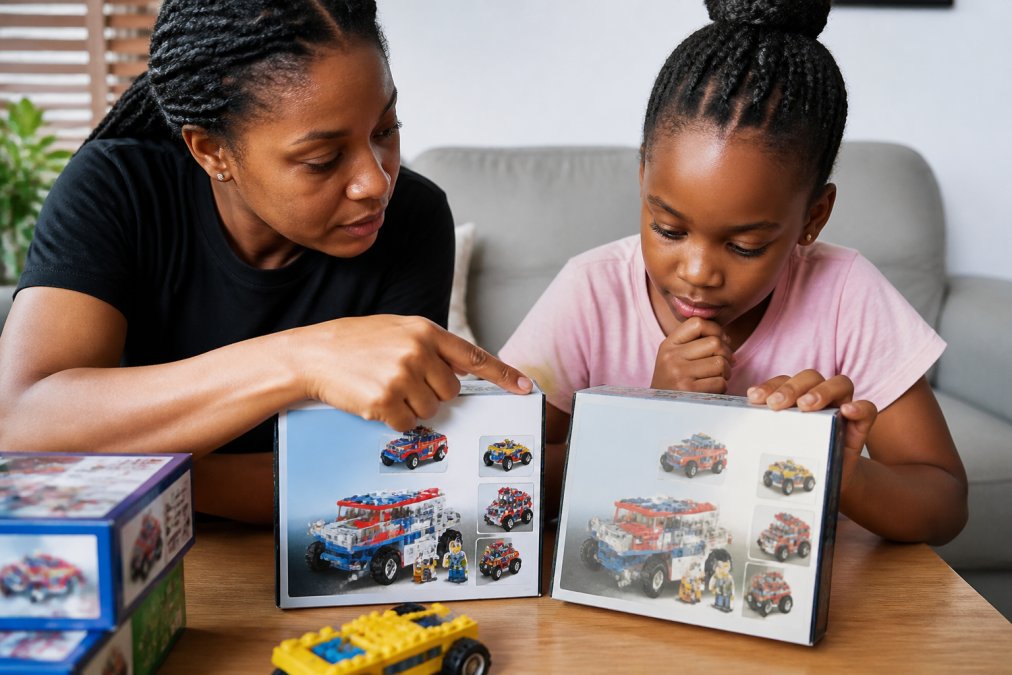
- Low-resolution or inconsistent product photos. Genuine brands invest in clear, consistent imagery. Blurry photos or images that do not match the description are signs of counterfeits.
- No safety certification marks. Counterfeit toys rarely carry a genuine CE mark or UKCA mark because they have not been tested against any safety standard.
- Spelling errors and poor labelling. Authentic toy packaging is professionally printed. Misspelled words and missing safety warnings are hallmarks of counterfeit products.
The Consumer Protection Council of Nigeria advises consumers to report suspected counterfeit goods and to purchase from retailers who can demonstrate compliance with product safety requirements.
Safe Online Toy Shopping: Smart Buying Habits That Protect Your Child
Good online toy shopping comes down to building a reliable process every time you shop.
| Habit | Why It Matters |
|---|---|
| Buy from known, curated retailers | Reduces counterfeit risk |
| Read verified buyer reviews | Reveals real durability issues |
| Check the return and refund policy | Protects you if something arrives damaged |
| Confirm age-appropriate labelling | Prevents choking and injury hazards |
| Inspect toys on arrival | Catches sharp edges or damage in transit |
| Supervise first use | Identifies unexpected hazards early |
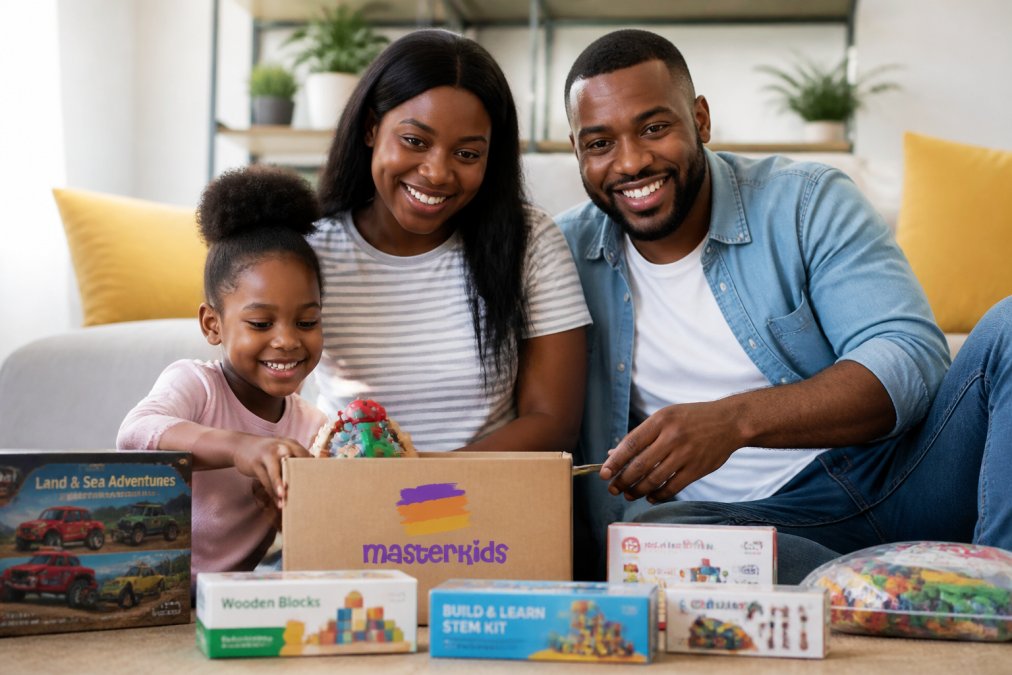
Buy from retailers who curate their stock. MasterKids offers a curated selection of safe, high-quality toys, STEM kits, and educational resources.
Insist on a clear return and refund policy. If a toy arrives damaged or with sharp edges, you should be able to return it without difficulty.
Think carefully about smart and digital toys. Connected toys that use Wi-Fi or Bluetooth collect data. Before buying any digital toy, check what data it gathers, where that data is stored, and whether the manufacturer has a clear privacy policy.
Is an Organic Cotton Plush Toy Worth It?
An organic cotton plush toy is made from cotton grown without synthetic pesticides or chemical fertilisers, and processed without harsh bleaching agents or artificial dyes. For infants and toddlers who chew, mouth, and sleep with their soft toys, that distinction matters.
For children under two, an organic cotton plush toy is worth the additional cost. Infants spend significant time with soft toys pressed against their skin and in their mouths. Reducing exposure to processing chemical residues makes practical sense at this age.
For older children, a well-made conventional plush toy from a reputable retailer with proper safety certification and non-toxic labelling is a reasonable choice. The priority shifts to construction quality: secure seams, firmly attached eyes and buttons, and filling that cannot be pulled out easily.
What to look for in any plush toy:
- OEKO-TEX Standard 100 certification, which confirms that every component has been tested for harmful substances
- Firmly stitched seams that do not pull apart under pressure
- Embroidered features rather than plastic eyes or buttons that could detach
- Machine-washable construction, because a toy that cannot be cleaned is a hygiene risk
According to OEKO-TEX's consumer guidance on certified textiles, products bearing the Standard 100 label have been tested for over 100 harmful substances.
The MasterKids range includes soft toys selected for both safety certification and developmental value. If you are shopping for a newborn gift or a comfort toy for a toddler, look for plush options that carry clear labelling and construction details in the product listing.
The bottom line: organic cotton plush toys earn their value for the youngest children. For older children, focus on construction quality and safety certification over material origin.
Frequently Asked Questions
How do I know if a toy I bought online is genuinely safe?
Check the product listing for recognised safety certifications and clear labelling that matches the child's age group. When the toy arrives, inspect it for sharp edges, loose small parts, and a secure battery compartment. Toys sold through reputable platforms with clear return policies and verifiable seller details are far less likely to be unsafe. If a toy smells strongly of chemicals or the labelling looks poorly printed, treat that as a warning sign and contact the seller immediately.
What are the biggest risks when buying toys on online marketplaces?
The main risks during online toy shopping are counterfeit products, unlabelled choking hazards, and third-party sellers with no accountability. Counterfeit toys often skip proper safety testing, meaning toxic materials or dangerous small parts may be present. Always buy from sellers with verified reviews, clear contact details, and a stated returns policy. Avoid listings with vague product descriptions, no safety warnings, or prices that seem far too low compared to similar items from known brands.
Are there specific safety standards I should look for on toy packaging?
Yes. Look for the CE mark or UKCA mark on toy packaging, as these indicate the product has been tested against recognised safety standards. Packaging should also display age-appropriate guidance, choking hazard warnings where relevant, and the manufacturer's name and contact details. In Nigeria, the Standards Organisation of Nigeria (SON) also monitors product compliance. Toys without any of these marks, or with marks that look blurred or inconsistent, should be treated with caution.
Is an organic cotton plush toy a safer choice for young children?
For infants and toddlers, organic cotton plush toys are worth considering because they are made without synthetic dyes or harsh chemical treatments, reducing the risk of skin irritation. Soft toys made from organic materials also tend to be free of toxic materials that cheaper foam toys or synthetic plush alternatives may contain. Check that the toy still carries appropriate safety certification and that any sewn-in parts, such as eyes or buttons, are firmly attached and cannot be pulled off easily.
Choosing safe toys online is genuinely difficult without a retailer you can trust to do some of that work for you. MasterKids exists precisely to solve that problem, offering a curated selection of safe, age-appropriate, and developmentally valuable toys for every stage of childhood. Browse the full range at MasterKids and shop with the confidence that every product has been chosen with your child's safety in mind.
This article was written using GrandRanker