 how-to
How to Identify Non-Toxic Toy Materials for Babies
Table of Contents
- How to Identify Non-Toxic Toy Materials for Babies
- Are Safe Materials for Baby Teething Toys Easy to Spot?
- Is an Organic Cotton Plush Toy Worth It?
- Non-Toxic Wooden Toy Finishes: What to Look For
- Understanding Material Certifications
- How to Check Toys You Already Own
- Why Wood Often Beats Plastic
- The Questions Parents Ask Most
- Where to Buy With Confidence
- Frequently Asked Questions
Last Updated: October 2, 2026
How to Identify Non-Toxic Toy Materials for Babies
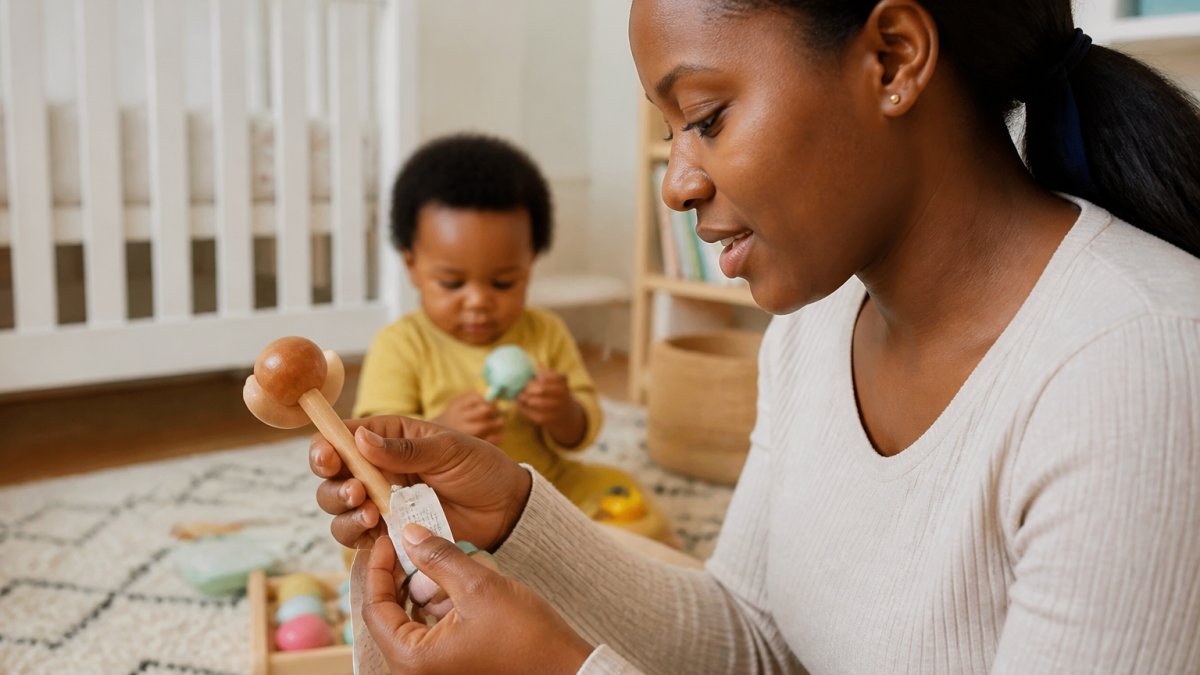
Every parent wants to know how to identify non-toxic toy materials for babies, and the answer starts with the label, not the price. A safe toy names its materials, finish and standards.
At MasterKids, we check materials first and buy only from makers who can prove what is inside.
Are Safe Materials for Baby Teething Toys Easy to Spot?
Safe materials for baby teething toys are easy to spot once you know the words. Check the material name (silicone, natural rubber or solid wood), the finish (beeswax, plant-based oils or water-based paint), safety words (BPA-free, phthalate-free, lead-free, PVC-free) and construction (one solid piece, no loose beads or glued parts).
Silicone is soft, non-porous and hypoallergenic, and natural rubber works well too. Wood teethers need more care: beeswax is a good sign, a thick shiny unknown coating is not. Throw away any teether with a cracked or peeling surface.
Is an Organic Cotton Plush Toy Worth It?
An organic cotton plush toy is worth it if your baby cuddles it daily and you want to avoid unknown dyes and finishes. Organic cotton is grown without harsh pesticides and is soft enough for a newborn's skin.
The honest drawback is the price, so if the toy will sit on a shelf, a cheaper option may be fine. For a comfort toy, look for cotton described as organic rather than just "natural", plant-based or water-based dyes, tight stitching, and no strong chemical smell. Let it air outside for a few days; if the smell stays, return it.
Non-Toxic Wooden Toy Finishes: What to Look For
Non-toxic wooden toy finishes are safest when they come from beeswax, plant-based oils, or water-based paints. Cheap wooden toys often use a thick varnish or paint with heavy metals; lead harms a baby's growing brain, and the damage cannot be undone.
Check the finish first, then the wood. Solid wood beats pressed board, because pressed board uses glue and some glues release formaldehyde over time.
Understanding Material Certifications
Certifications tell you a toy was tested by someone other than the seller: a maker can claim anything, a test report cannot. Look for FSC-certified wood, third-party testing marks, safety standards named in full, and compliance statements that name the rule followed.
Be careful with logos that have no name; a real certification names the body that issued it. Spend two minutes on the label, and ask the seller for the test report if it is not shown.
How to Check Toys You Already Own
Your home may already hold toys that need a second look. Go through them with a bin bag nearby, checking for a peeling or cracked surface, lingering chemical smells, small parts that fit inside a toilet roll tube, flaking paint near the mouth, and second-hand toys with no history.
Choking hazards are the biggest risk for babies under three, and a part that fits inside a toilet roll tube is too small. Second-hand toys need extra care: clean them well, check every seam and throw away anything cracked.
Why Wood Often Beats Plastic
Wood wins on durability, and durability is a safety feature: a toy that does not break does not shed parts into a baby's mouth. Solid wood also holds up to repeated washing, while scratched plastic can trap dirt.
That said, plastic is not the enemy: safe plastic exists and is often better for bath toys and stackers. Avoid PVC, which is often softened with phthalates, unknown recycled plastic, and cheap painted plastic whose paint may carry heavy metals. Choose BPA-free, phthalate-free plastic instead.
The Questions Parents Ask Most
How do I know a toy is safe if the label is missing? You do not. Without a label, you cannot confirm the material, finish or testing.
Are expensive toys always safer? No. Price reflects brand and design more than safety.
Can I trust a toy because it feels heavy? Weight tells you about density, not safety. A heavy toy can still carry lead paint.
Where to Buy With Confidence
The safest toy in the shop is the one you can trace. That is why we check every product before it reaches our shelves.
Our range covers newborns through teenagers, so you can shop for the whole family in one place. Every pick is chosen for safety and for how much a child can learn from it, and we offer nationwide delivery.
Shop with MasterKids and give your baby toys you can trust, backed by materials you can actually check.
Frequently Asked Questions
What materials should I avoid in baby toys?
Avoid toys made with PVC, BPA, phthalates, lead, and formaldehyde. These chemicals can leach when babies chew or mouth toys. Steer clear of soft plastic toys with a strong chemical smell, and avoid painted toys unless the paint is water-based and lead-free. Look for clear labels stating BPA-free, phthalate-free, and PVC-free before buying.
Are silicone toys safer than plastic for babies?
Food-grade silicone is generally safer than soft plastic because it does not contain BPA or phthalates. It is also hypoallergenic and non-porous, so it resists bacteria growth. Plastic toys vary widely in quality, and some contain harmful additives. When choosing safe materials for baby teething toys, silicone is a reliable option provided it is labelled food-grade and free from added fillers.
Does the Standards Organisation of Nigeria regulate toy safety?
Yes. The Standards Organisation of Nigeria (SON) sets safety standards for toys sold in the country, covering chemical limits and physical safety. However, enforcement is not perfect, and counterfeit items still reach the market. Parents should buy from trusted suppliers who can show compliance with SON standards and avoid unbranded toys from informal sellers.