 how-to
How to Choose Safe Toys for Infants
Table of Contents
- Understanding Choking Hazards in Infant Toys
- How to Choose Safe Toys for Infants: A Step-by-Step Approach
- Is Organic Cotton Plush Toy Worth It for Your Infant
- Conclusion
Last Updated: August 30, 2026
Understanding Choking Hazards in Infant Toys
Choking remains one of the most serious risks when selecting toys for infants. Small parts, loose buttons, and detachable components can become lodged in a child's airway, which is why understanding what constitutes a choking hazard is essential before you purchase anything.
Objects smaller than a toilet paper tube diameter pose a genuine risk for infants under three years old. This includes button eyes on plush toys, small beads, foam pieces, and broken bits from damaged toys. Inspect every toy thoroughly before it reaches your child's hands. 🔍
Strangulation risks from cords, strings, and ribbon-like attachments are equally important to watch for. Toys with drawstrings longer than 30 centimetres should be avoided entirely for infants. Check that all attachments are securely fastened and cannot be pulled away with gentle tugging.
Battery compartments deserve special attention too. Button batteries pose serious internal injury risks if swallowed. Ensure battery covers are secured with screws rather than simple snaps, and consider whether your infant can access the compartment at all.
How to Choose Safe Toys for Infants: A Step-by-Step Approach
Choosing safe toys for infants requires a methodical approach that goes beyond simply reading the age label. 🛡️
Step 1: Check the Age Recommendation The age recommendation on packaging exists for safety, not marketing. Toys marked "3+" contain small parts unsuitable for younger children. Always purchase toys appropriate to your infant's current developmental stage.
Step 2: Inspect for Loose or Detachable Parts Run your fingers across every seam, eye, and attachment. Gently pull on buttons, beads, and decorative elements. If anything moves or feels loose, set the toy aside. Repeat this check regularly throughout the toy's life as wear increases.
Step 3: Examine Materials for Safety Non-toxic materials matter significantly. Look for toys made from natural fibres like organic cotton or certified sustainable wood rather than plastics that may contain harmful substances. Fabric toys should be washable, allowing you to remove dust and bacteria regularly. 🧸
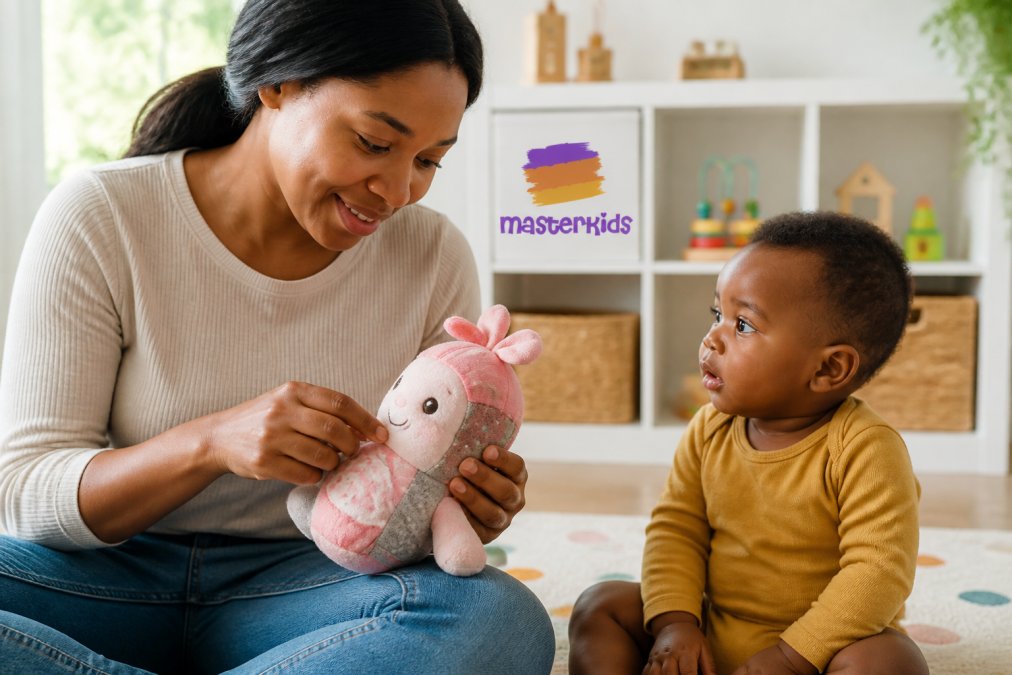
Step 4: Look for Sharp Edges or Points Run your hand along the entire surface of the toy. Sharp edges, splinters in wooden toys, or protruding wires are immediate red flags. Toys should feel smooth and safe to mouth, since infants explore everything orally.
Step 5: Verify Safety Standards and Certifications Toys should meet recognised safety standards. Look for certification marks indicating the toy has been tested for hazardous substances and mechanical safety. Quality retailers like MasterKids curate their selection to ensure products meet these rigorous standards, with nationwide delivery available so you can shop safely from home.
Step 6: Assess Durability and Condition Check that seams are tight, colours don't run when wet, and stuffing isn't visible through fabric. For second-hand toys, inspect even more carefully, as wear may have created new hazards.
Is Organic Cotton Plush Toy Worth It for Your Infant
Organic cotton is grown without synthetic pesticides or fertilisers, meaning your infant contacts fewer chemical residues. For babies with sensitive skin or suspected allergies, this difference can be meaningful. The fabric breathes naturally, reducing the risk of overheating during sleep or cuddle time. 🌱
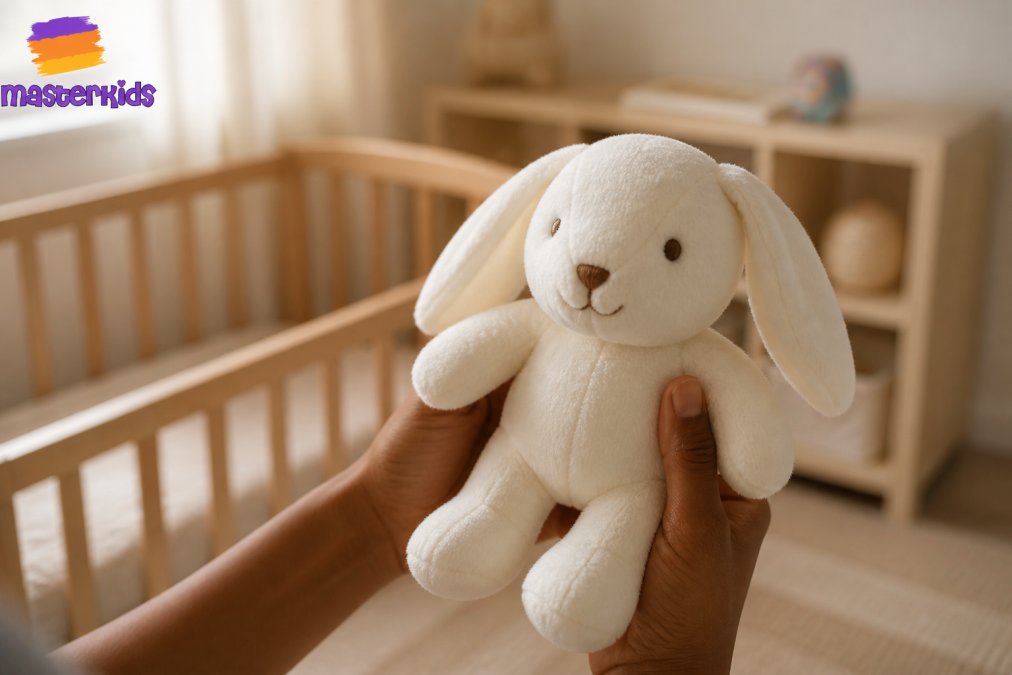
Standard synthetic plush toys, whilst often safe, may contain dyes and finishes that irritate sensitive skin. Organic options typically use natural dyes and minimal processing, making them gentler on delicate skin. They're also more durable, withstanding repeated washing without pilling or fading as quickly as cheaper alternatives.
The washability factor cannot be overstated. Infants mouth toys constantly, transferring saliva, food, and bacteria. Organic cotton plush toys tolerate frequent washing in hot water without degrading, whereas many synthetic toys lose shape or colour after several washes. This longevity means fewer replacements over time.
If budget is your primary concern, any toy meeting basic safety standards will serve your infant well. The organic choice becomes worthwhile primarily if you're managing known skin sensitivities or want to minimise chemical exposure during your child's most vulnerable months.
Keeping your infant safe during playtime requires vigilance, but it needn't feel overwhelming. Start by understanding the real hazards, then apply the step-by-step inspection process before every toy enters your home. Whether you choose organic cotton or standard safe alternatives, the most important factor is selecting from retailers committed to quality. At MasterKids, we've built our reputation on curating toys that meet rigorous safety standards, helping you shop with confidence. Browse our selection of safe, tested toys designed specifically for infant development and peace of mind.
Frequently Asked Questions
What are the most common choking hazards in infant toys?
Small parts, button batteries, detachable eyes, loose beads, and foam pieces are primary choking hazards. Toys with parts smaller than a toilet paper tube diameter pose serious risks. Always check that toys are designed for your infant's age group and inspect them regularly for wear. Supervision during playtime is essential, and removing any damaged components immediately prevents accidents.
Are organic cotton plush toys worth the investment for newborns?
Organic cotton plush toys offer genuine benefits: they're free from pesticides, dyes, and chemical treatments that can irritate sensitive skin. They're naturally hypoallergenic, washable, and durable, making them ideal for infants who mouth toys frequently. Whilst they may cost more initially, their longevity and safety make them a worthwhile choice for parents prioritising health and quality.
How do I verify that a toy meets safety standards?
Look for certification labels on packaging that indicate compliance with recognised safety standards. Check product documentation for material composition and age recommendations. Avoid counterfeit products by purchasing from trusted retailers like MasterKids that curate verified, high-quality toys. Always inspect toys upon arrival for damage, and keep receipts for reference if you need to report safety concerns.
This article was written using GrandRanker