 how-to
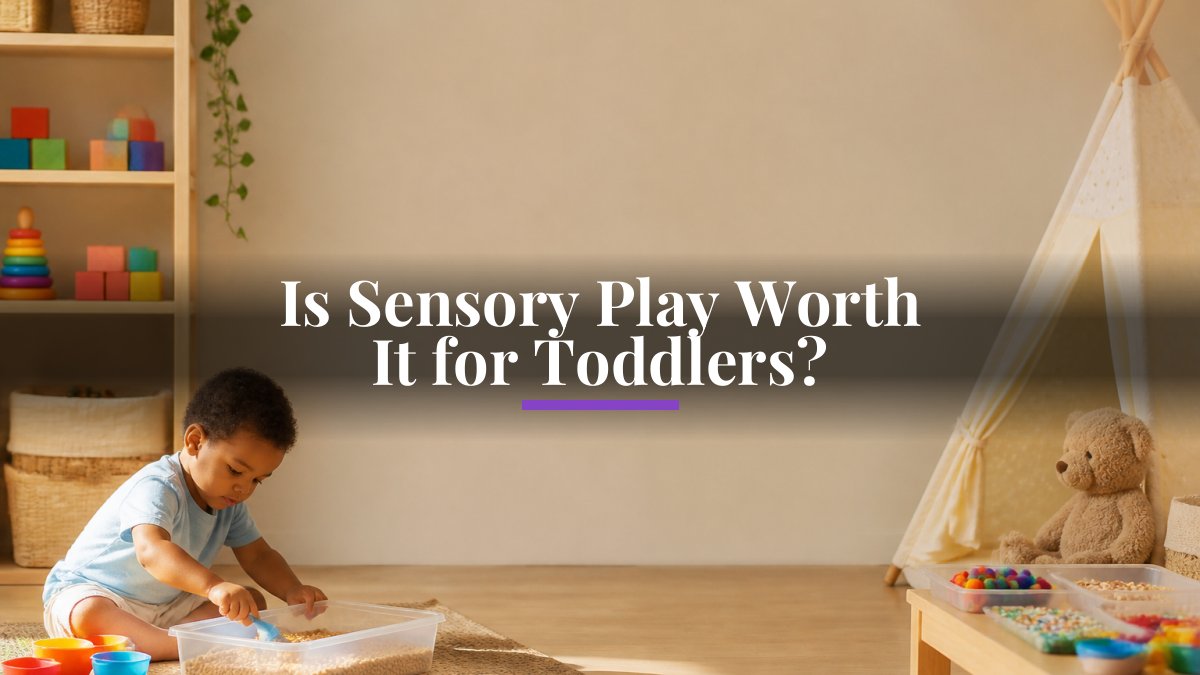
Is Sensory Play Worth It for Toddlers?
Table of Contents
- Sensory Play Benefits for Toddlers
- Easy Sensory Play Ideas for Toddlers at Home
- Safe Sensory Play Materials for Toddlers
- Frequently Asked Questions
Last Updated: October 12, 2026
Sensory Play Benefits for Toddlers
Is sensory play worth it for toddlers? Absolutely. When toddlers touch, explore, and experiment with different textures, sounds, and materials, their brains build new connections. 🧠
Whether is sensory play worth it for toddlers is a question many parents ask, the answer is yes, as sensory experiences teach toddlers about the world. Squishing playdough teaches texture and cause-and-effect, while pouring water builds coordination and problem-solving. These activities lay the foundation for learning, creativity, and confidence.
Hands-on play transforms early childhood development. It's one of the most powerful tools you have for your child's growth.
Why sensory play matters:
- Builds fine-motor skills (the small muscles in hands and fingers)
- Develops language as children name textures and materials
- Encourages creative thinking and imagination
- Reduces stress and anxiety in young children
- Creates strong parent-child bonding moments
Sensory play doesn't require expensive equipment, most activities use items already in your home.
Easy Sensory Play Ideas for Toddlers at Home
Creating sensory experiences at home is straightforward. Start with what you have. 🎨
Water play is one of the easiest options. Fill a shallow container with water and add cups, spoons, and funnels. It teaches cause-and-effect while keeping children engaged for long periods.
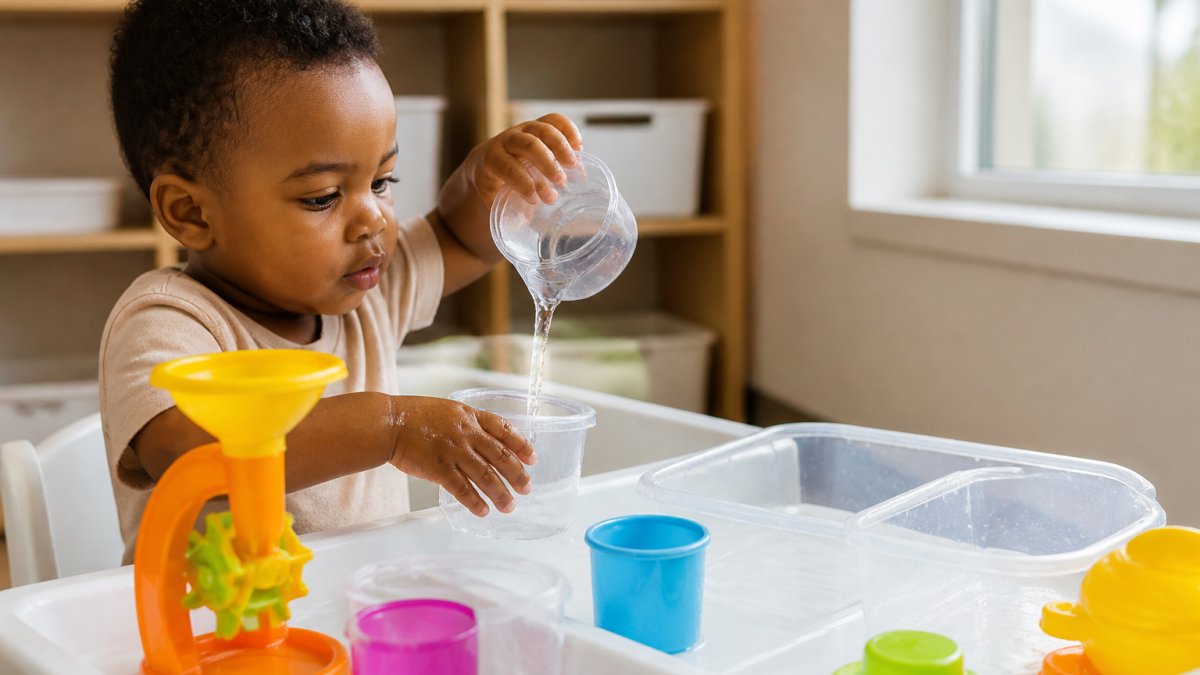
Texture exploration builds sensory awareness. Gather soft fabric scraps, wooden spoons, plastic containers, and safe natural items like pine cones or smooth stones. Talk about what they feel, soft, hard, smooth, bumpy.
Playdough and modelling materials encourage creativity and fine-motor development. Make playdough at home with flour, salt, water, and food colouring. Pushing and squeezing strengthens hand muscles needed for writing later.
Sensory bins are simple to create. Fill a shallow box with dried pasta, rice, or sand and hide small toys inside. Scooping and searching develops problem-solving and keeps little hands busy.
Art with safe materials opens creative expression. Offer washable paint, chunky crayons, and large paper. There's no right way, the process matters more than the result.
Safe Sensory Play Materials for Toddlers
Safety comes first when choosing sensory materials. Always supervise play closely. 👀
Best materials for sensory play:
- Water (always supervised)
- Playdough and modelling clay
- Fabric scraps and textiles
- Wooden spoons and safe kitchen items
- Large blocks and building materials
- Washable, non-toxic paint and crayons
- Natural items like leaves and smooth stones (checked for safety)
Materials to avoid:
- Small items that pose choking risks
- Items with sharp edges or loose parts
- Toxic paints or markers
- Anything with strong chemical smells
- Items that splinter or break easily
When you shop for sensory toys and materials, check that products meet safety standards. Look for age-appropriate labels. MasterKids carefully selects toys that are safe, durable, and developmentally appropriate for every stage, with nationwide delivery available to make it easier to access quality sensory resources.
Sensory play is worth your time and attention. It requires minimal setup and delivers big benefits. Start today with materials you already have at home. 🌟
Frequently Asked Questions
What are the main benefits of sensory play for toddlers?
Sensory play develops fine-motor skills, encourages creative thinking, and builds confidence through exploration. When toddlers touch, pour, squeeze, and manipulate materials, they strengthen small muscles in their hands and fingers whilst learning cause-and-effect relationships. Sensory activities also support language development as caregivers name textures, colours, and actions during play. This type of play fosters problem-solving skills and helps children process the world around them safely.
At what age should toddlers start sensory play?
Sensory play can begin around 6 months when babies start grasping and exploring objects. From 12 to 36 months, toddlers benefit greatly from supervised sensory activities tailored to their developmental stage. Younger toddlers (12-18 months) enjoy simple textures and safe objects to mouth and manipulate. Older toddlers (18-36 months) engage in more complex exploration, pouring, mixing, and imaginative play. Always supervise play and choose age-appropriate materials from trusted sources like MasterKids.
How can I tell if sensory play is safe for my toddler?
Choose materials specifically designed for toddlers and check they are non-toxic and free from small choking hazards. Avoid items with loose buttons, beads, or parts smaller than a toilet roll tube. Always supervise play closely and wash hands before and after. Purchase from reputable retailers who stock safety-tested products. Be especially cautious about counterfeit toys; sourcing from trusted providers ensures your child's safety and gives you peace of mind.
Sensory play transforms how toddlers learn and grow. The activities you offer now build confidence, creativity, and essential skills your child will use for life. At MasterKids, we provide carefully curated toys and materials designed to support sensory exploration safely and affordably. Explore our range of developmental toys and sensory-friendly products with nationwide delivery to bring hands-on learning into your home today.