 how-to
How to Spot Fake Educational Toys: A Parent's Guide
Table of Contents
- Why Counterfeit Educational Toys Matter
- How to Spot Fake Educational Toys: 5 Key Steps
- How to Identify Safe STEM Kits
- Where to Buy Authentic Educational Toys Safely
Last Updated: August 26, 2026
Why Counterfeit Educational Toys Matter 🎯
Counterfeit educational toys pose real risks to children's safety and development. Fake STEM kits often contain toxic materials, lack safety certifications, and provide no genuine educational value. Poorly manufactured toys can contain hazardous substances, present choking hazards, and fail to support cognitive development ([EXTERNAL_LINK: Centers for Disease Control and Prevention | cdc.gov]).
At MasterKids, we're committed to helping parents identify authentic educational toys. Knowing how to spot fakes protects your child and ensures your money contributes to their learning journey.
How to Spot Fake Educational Toys: 5 Key Steps 🔍
Inspect packaging quality, verify safety markings, check manufacturer details, examine print clarity, and compare pricing against official retailers.
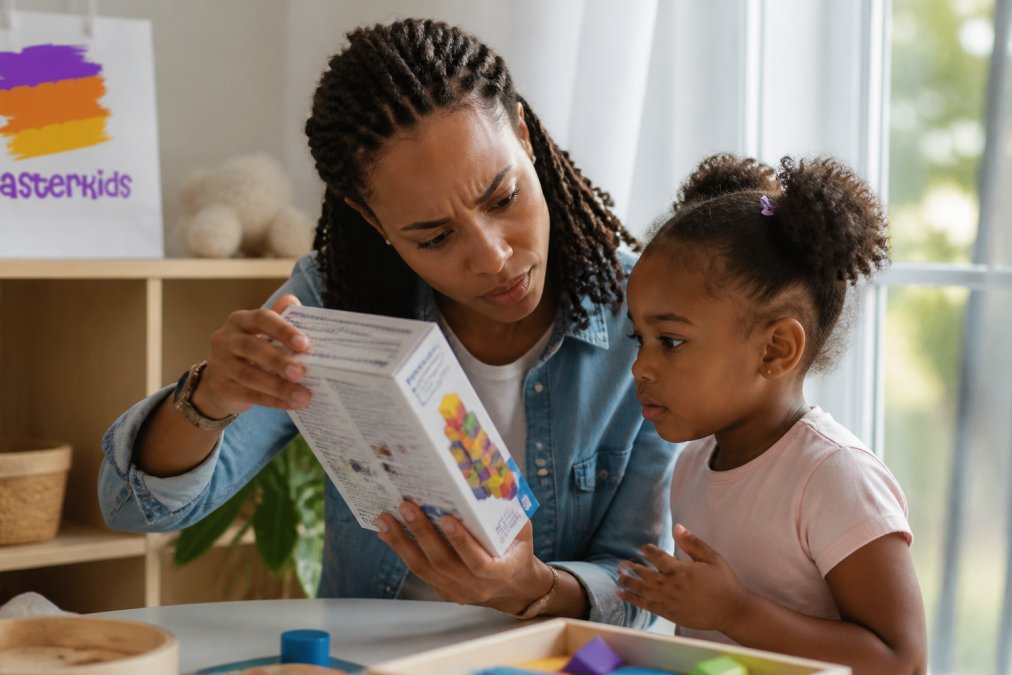
1. Examine Packaging Integrity Authentic educational toys come in well-constructed boxes with clear printing and proper labelling. Counterfeit versions have loose seams, faded colours, or spelling errors. Genuine packaging feels sturdy and professional; fake packaging feels flimsy.
2. Verify Safety Certifications Look for recognised safety marks on packaging and the product itself, such as the SONCAP certification for toys, which indicates compliance with national safety standards. Check that certification numbers are printed clearly and match official records. Counterfeit toys frequently have blurry or missing certification marks.
3. Inspect the Batch and Serial Numbers Legitimate educational toys carry clear batch and serial numbers. Verify the number format matches the manufacturer's standard system. Fake products often have inconsistent or duplicated batch numbers.
4. Check Print Quality and Text Clarity Counterfeit packaging has blurry printing, uneven fonts, and grammatical errors. Examine instruction manuals for consistent formatting and correct spelling. Genuine packaging shows vibrant, accurately registered colours; fake products appear faded and misaligned.
5. Compare Pricing Against Official Sources If a STEM kit costs significantly less than the official retail price, investigate further. Check the manufacturer's website or authorised retailers to confirm standard pricing. Unusually low prices signal counterfeit goods.
How to Identify Safe STEM Kits 🧪
A safe STEM kit contains age-appropriate components, includes clear safety warnings, features durable materials, and comes with comprehensive instructions from a reputable manufacturer.
Check the Manufacturer's Background Research the company behind the STEM kit. Legitimate manufacturers have established websites, customer reviews, and clear contact information. They publish safety testing results and quality standards. Counterfeit STEM kits often come from sellers with no verifiable business history.
Examine Individual Components Safe STEM kits use non-toxic materials appropriate for the child's age. Small components should have choking hazard warnings. Materials should feel durable with smooth, properly finished edges and no defects.
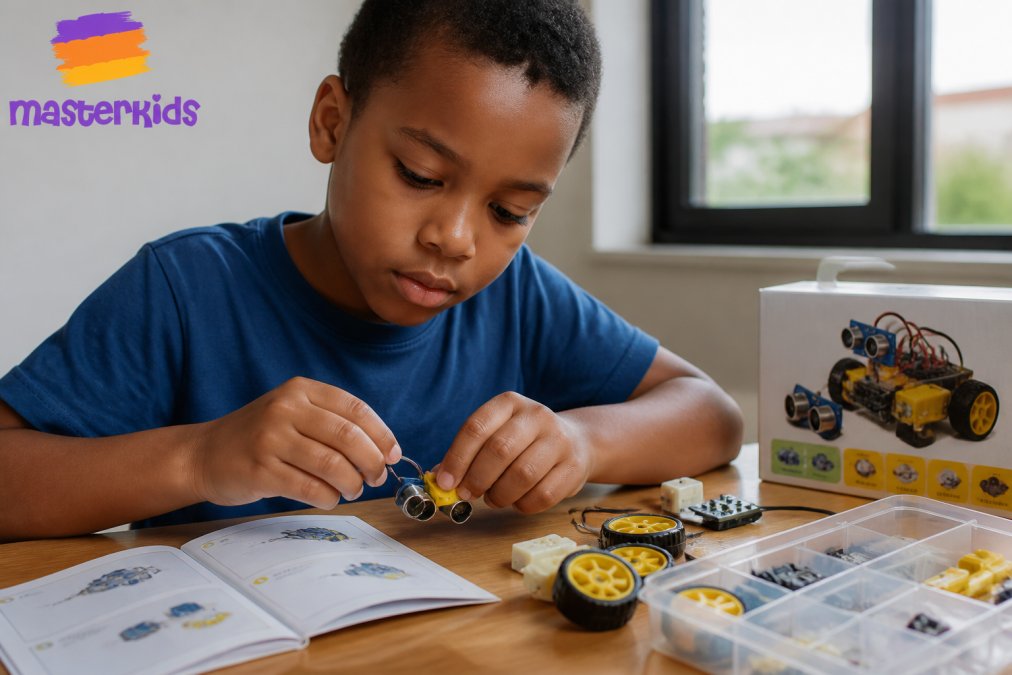
Review the Instruction Manual Thoroughly Authentic STEM kits include detailed, well-written instructions with clear diagrams. Manuals list all safety precautions, required adult supervision, and age recommendations. Counterfeit instructions are often poorly translated, incomplete, or contain confusing diagrams.
Where to Buy Authentic Educational Toys Safely 🛒
The safest place to buy authentic educational toys is directly from verified retailers and official manufacturers. Authorised retailers maintain quality standards and stand behind their products with proper guarantees.
When shopping online, verify the seller's credentials before purchasing. Legitimate retailers display clear company information, customer reviews, and transparent return policies. They answer questions about product authenticity and provide safety certification documentation.
MasterKids offers a curated selection of safe, high-quality educational toys and STEM kits verified for authenticity and compliance, with nationwide delivery available to ensure you can access genuine products wherever you are. Every product meets rigorous safety standards, giving you confidence your child learns through play with genuinely safe materials.
Check the seller's return policy and warranty before purchasing. Authentic retailers offer reasonable return windows and replacement guarantees if products arrive damaged. Counterfeiters rarely offer returns or stand behind their products.
Protecting your child from counterfeit educational toys starts with knowing what to look for. By inspecting packaging quality, verifying safety certifications, checking serial numbers, examining print clarity, and comparing prices, you can confidently identify authentic products. When you shop with verified retailers like MasterKids, you ensure your child learns through play with safe, genuinely educational resources. Start by checking your current toy collection using these five steps.
Frequently Asked Questions
How can I identify counterfeit toys when shopping online?
Check the seller's credentials and marketplace reputation first. Examine product photos for spelling errors, poor print quality, and blurry logos. Verify that the toy displays proper safety marks and SONCAP certification for toys. Authentic products include clear manufacturer contact information and batch numbers. Compare the listed price against known retail prices, unusually low costs often signal imitation goods. Request detailed images of packaging before purchase.
What safety standards should an educational toy meet?
Educational toys sold in Nigeria should carry SONCAP certification for toys, which ensures compliance with toy safety regulations and hazardous materials testing. Look for CE or UKCA marks indicating international safety standards. Packaging should display age-appropriate warnings and choking hazard labels. The toy must include the manufacturer's name, address, and batch number. Avoid products lacking these compliance markers, as they may contain toxic chemicals or pose safety risks to your child.
Why is it dangerous to buy fake educational toys?
Counterfeit toys often contain toxic chemicals, lead paint, and hazardous materials banned in authentic products. They lack quality control, increasing choking hazard risks for younger children. Fake STEM kits may have broken components, missing parts, or poor instructions that frustrate learning. Imitation goods do not undergo the safety testing required for genuine products. Purchasing from unauthorised sellers also leaves you without consumer protection or product recall support if defects emerge.
This article was written using GrandRanker