 ultimate-guide
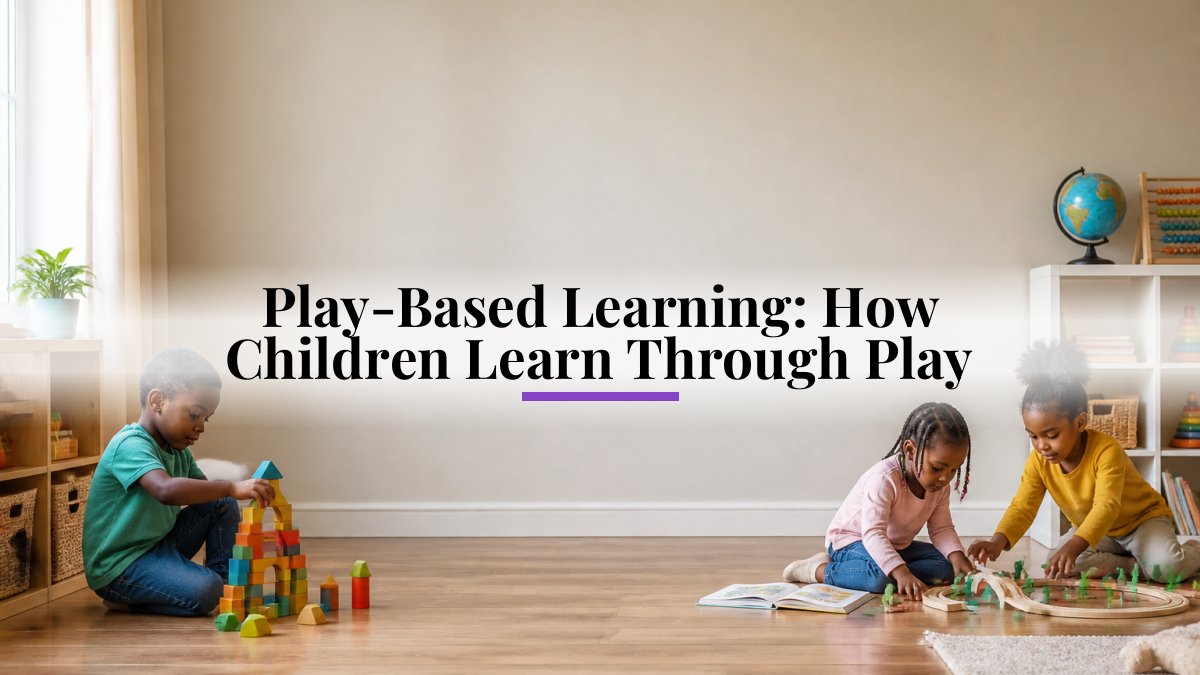
Play-Based Learning: How Children Learn Through Play
Table of Contents
- What Is Play-Based Learning?
- Benefits of Play-Based Learning for Child Development
- Play-Based Learning Activities for Every Age
- Frequently Asked Questions
Last Updated: October 4, 2026
What Is Play-Based Learning?
Play-based learning is education where children acquire knowledge, skills, and understanding through play activities rather than formal instruction.
At MasterKids, we recognise that play isn't simply entertainment, it's how young minds make sense of the world by solving problems, testing ideas, and building confidence without the pressure of structured lessons.
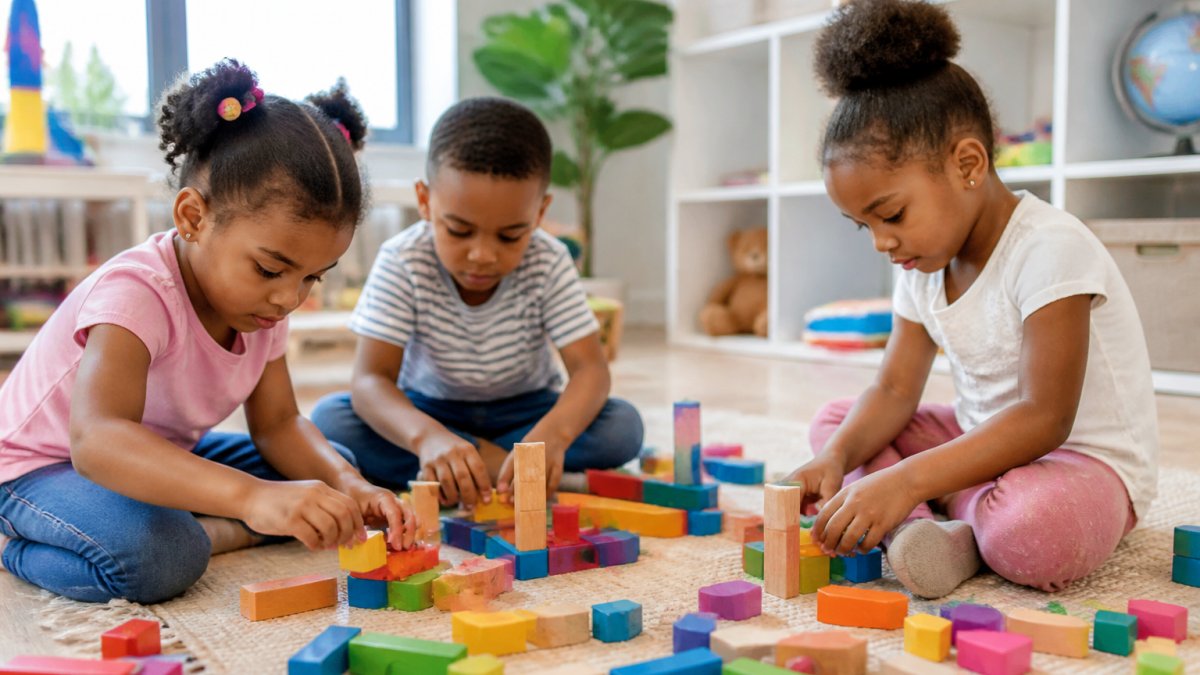
Play-based learning develops critical thinking, creativity, and social skills simultaneously, whether through stacking blocks, pretend play, or construction sets.
Benefits of Play-Based Learning for Child Development
Cognitive development flourishes through play: puzzles, building, and imaginative scenarios strengthen problem-solving, memory, and reasoning in a safe environment.
Social and emotional development happens naturally during play. Group activities teach collaboration, turn-taking, and communication. Children learn to manage frustration, celebrate others' success, and develop empathy through shared experiences. Solitary play builds independence and self-regulation, essential foundations for school readiness.
Language and literacy develop through storytelling, conversation, and pretend play. When children narrate their games, they expand vocabulary and practise communication in meaningful contexts. Play-based settings encourage talking, reading, and thinking together, all crucial for language growth.
Physical development strengthens through active play. Running, climbing, building, and manipulating objects develop gross and fine motor skills. Physical play also builds confidence and body awareness, which supports later academic learning.
Play-Based Learning Activities for Every Age
Different ages benefit from different types of play-based learning activities. 🧩
For infants and toddlers (0-2 years): Sensory exploration forms the foundation. Soft toys with varied textures, rattles, and safe objects to mouth and grasp support early cognitive and physical development. Water play, music exploration, and simple cause-and-effect toys (like pressing buttons) engage curiosity and build neural pathways.
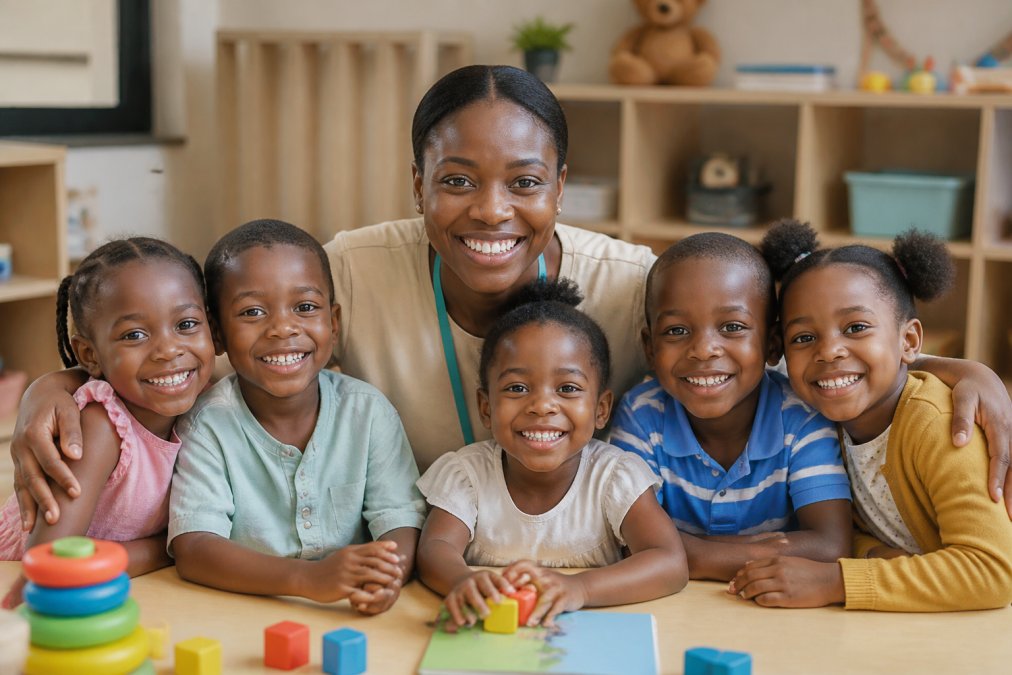
For preschoolers (3-5 years): Imaginative play takes centre stage. Dress-up clothes, play kitchens, and role-play scenarios build social skills and creativity. Construction toys, puzzles, and art materials encourage problem-solving and fine motor development. Guided play, where adults ask questions and extend thinking, amplifies learning outcomes.
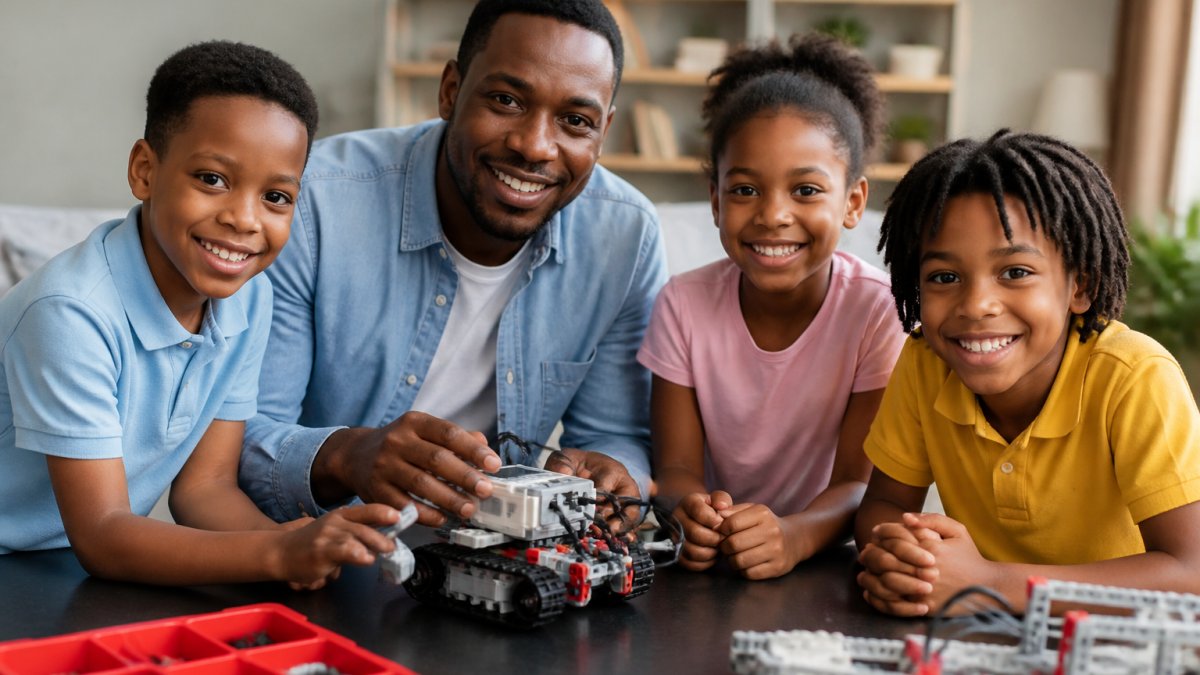
For school-aged children (6-12 years): More complex games and building challenges engage growing minds. STEM kits combining science, technology, engineering, and maths through hands-on projects support academic skills. Strategy games, outdoor exploration, and collaborative projects develop critical thinking and teamwork.
When selecting play-based resources, prioritise safety and quality. At MasterKids, we curate educational toys and STEM kits specifically chosen to support learning through play, ensuring every product meets rigorous safety standards and genuinely develops skills. From newborns through teenagers, our range helps parents provide the right tools for each developmental stage. With nationwide delivery, families across the country can access quality play-based learning resources without hassle.
Frequently Asked Questions
What is an example of a play-based learning activity?
Building with blocks teaches spatial reasoning and problem-solving. A child stacking blocks discovers balance, cause-and-effect, and planning. Water play develops understanding of volume and flow. Pretend play with toy figures builds narrative thinking and social skills. These activities work because children are actively exploring, experimenting, and discovering patterns themselves rather than following instructions.
How does play-based learning support child development?
Play-based learning develops the whole child: cognitive skills through problem-solving and exploration, social abilities through interaction with peers, emotional regulation through self-directed activity, and physical development through movement. Language grows naturally as children describe their play. Curiosity and confidence flourish when children direct their own learning. This holistic development prepares children for school and life.
What is the difference between guided play and free play?
Free play is child-led exploration without adult direction, children choose activities, set rules, and solve problems independently. Guided play involves educator support: an adult provides materials, asks questions, or gently extends learning without controlling the outcome. Both matter. Free play builds independence and creativity; guided play adds intentional skill-building. The best environments offer both throughout the day.
Play-based learning transforms childhood into a journey of discovery. The challenge for parents is finding toys and resources that truly support development rather than simply entertain. MasterKids offers curated, safe, high-quality educational toys and STEM kits designed to help children learn through play at every age. SHOP our collection and give your child the foundation for confident, curious, lifelong learning. 🌟