 ultimate-guide
The Five Pillars of Early Childhood Development
Table of Contents
- What Are the Five Pillars of Early Childhood Development?
- Pillar 1: Physical Development and Motor Skills
- Pillar 2: Cognitive Development and Executive Function
- Pillar 3: Language and Communication
- Pillar 4: Social and Emotional Growth: The Importance of Social-Emotional Learning
- Pillar 5: Adaptive Skills and Self-Care
- Play Based Learning: How the Five Pillars Work Together
- Nutrition, Safety and Responsive Caregiving: The Foundations Behind the Pillars
- Frequently Asked Questions
Last Updated: September 24, 2026
What Are the Five Pillars of Early Childhood Development?
The five pillars of early childhood development are physical, cognitive, language, social-emotional and adaptive skills. Together they form the foundation for how a child learns, relates to others and handles daily life. At MasterKids, we see these pillars as the five fingers of one hand: separate, but useless apart.
This guide explains each pillar, what it looks like at home, and how simple play supports all five at once.
Pillar 1: Physical Development and Motor Skills
Physical development covers two tracks: gross motor skills like walking, jumping and balancing, and fine motor skills like gripping a crayon or stacking a block. Both depend on daily practice, not formal lessons.
How Physical Milestones Unfold
Children generally roll, sit, crawl and walk in a similar order, though the timing varies widely from child to child. Some walk at ten months, others at fifteen; both are normal. What matters is steady progress over months, not a fixed calendar.
If a child consistently lags across several physical milestones, an early intervention assessment is worth arranging. Catching a delay early makes support far more effective.
Pillar 2: Cognitive Development and Executive Function
Cognitive development is how a child thinks, remembers, solves problems and builds understanding of the world. Executive function sits at its centre: the mental skills that let a child hold a thought, resist a distraction and switch tasks.
Cognitive Development Activities for Toddlers
The best cognitive development activities for toddlers are simple, open-ended and repeated often. Try these at home:
- Sorting games with cups, spoons or blocks
- Simple two and three piece puzzles
- Naming games during walks or bath time
- Building and knocking down towers together
- Matching shapes, colours and sounds
Each of these builds a small cognitive challenge that stretches attention and memory without frustrating the child.
Pillar 3: Language and Communication
Language and communication grow from being spoken to, sung to and listened to. A child's vocabulary builds through back and forth exchanges, not passive screen time. This pillar covers understanding (receptive language) and speaking (expressive language), and it is the strongest early predictor of later reading and school success.
How Language Milestones Unfold
Children generally follow a similar sequence, though the timing varies widely:
- By 6 months: cooing, babbling, turning toward sounds
- By 12 months: first words, understanding simple instructions like "come here"
- By 18 months: 10 to 20 words, pointing to familiar objects when named
- By 2 years: two-word phrases like "more milk", following two-step instructions
- By 3 years: short sentences, strangers understand most of what the child says
- By 4 years: telling simple stories, asking "why" and "what" questions
- By 5 years: holding a conversation, using past and future tense
Some children talk late and catch up quickly; others need support. What matters is steady progress over months, not a fixed calendar. If a child is not using words by 18 months, or loses language they once had, an early intervention assessment is worth arranging. Catching a delay early makes support far more effective.
Language Development Activities for Toddlers
The best language activities are simple, repeated often and woven into daily routines. Try these at home:
- Talk through your day: "I am washing the plates. The water is warm."
- Name objects during walks, bath time and meals
- Pause for replies, even if the answer is a gesture or a sound
- Read aloud daily, pointing to pictures and asking questions
- Sing rhymes and songs, which build rhythm and sound awareness
- When a child points or gestures, respond with words: "You want the red ball."
- Expand what they say: if they say "car", reply "Yes, a big blue car."
That small habit of expanding connects action to language and stretches vocabulary without pressure.
Bilingualism and Home Language
Many children grow up hearing more than one language at home. This is a strength, not a delay. A child learning two languages may have a smaller vocabulary in each language at first, but their combined vocabulary is often larger than a single-language peer's. Keep speaking your home language; it carries family connection and cognitive benefits. Consistency matters more than which language you choose.
Screen Time and Language
Screens cannot replace conversation.
At MasterKids, we stock a range of language-building products, including board books, picture cards and interactive story sets, designed for every stage from newborns to teenagers. You can browse the full collection and shop at your convenience.
Pillar 4: Social and Emotional Growth: The Importance of Social-Emotional Learning
The importance of social-emotional learning lies in what it predicts: children who can name feelings, share, wait and recover from upsets settle into school more easily. This pillar is about attachment, self-regulation and getting along with others.
Pillar 5: Adaptive Skills and Self-Care
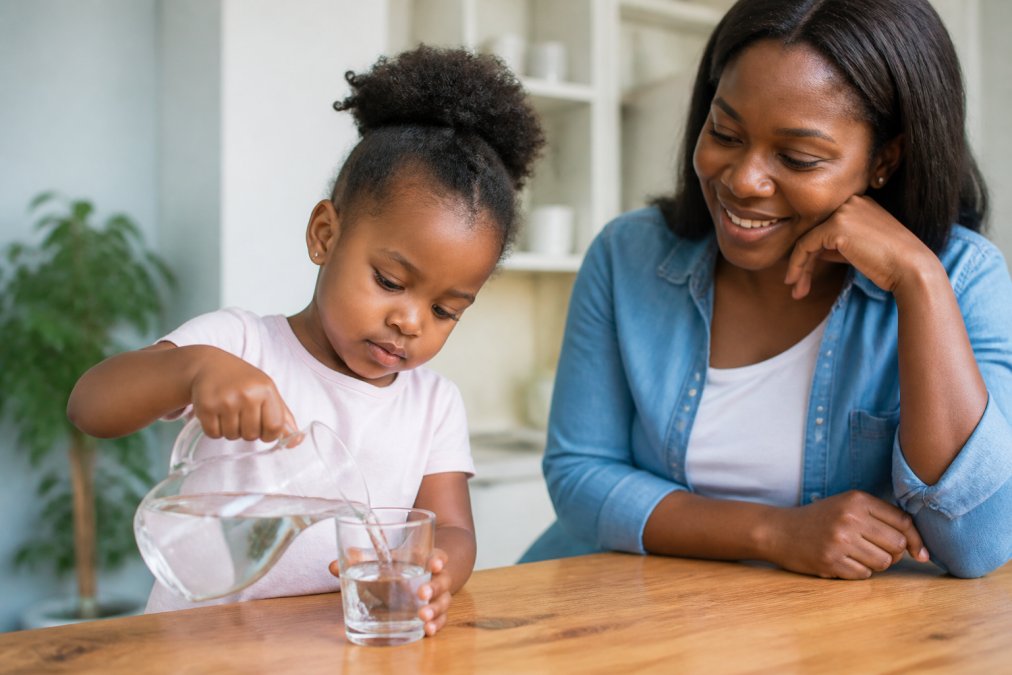
Adaptive functioning means handling everyday tasks: feeding, dressing, washing, tidying and eventually organising schoolwork. These skills build independence and confidence in equal measure. They also free up a child's attention for learning, because a child who can manage their own basic needs is not overwhelmed by them.
How Adaptive Skills Unfold
Children generally follow a similar sequence, though the timing varies widely:
- By 12 months: holding a spoon, drinking from a cup with help
- By 18 months: taking off socks and shoes, helping with dressing
- By 2 years: washing hands with help, putting toys away when asked
- By 3 years: feeding themselves with a spoon, pulling down trousers for toileting
- By 4 years: dressing with minimal help, brushing teeth with supervision
- By 5 years: managing buttons and zips, tidying their own belongings
- By 6 years: organising school bag, completing simple chores
Adaptive Skills Activities for Toddlers
The best adaptive activities are simple, repeated often and woven into daily routines. Try these at home:
- Let a toddler scoop their own food, even if it is messy
- Let a five year old dress themselves, even if the shirt is backwards
- Set up a low shelf or basket for toys so they can tidy up independently
- Practise handwashing together, singing a song for the right duration
- Involve them in simple chores: wiping the table, sorting laundry, watering plants
- Use a visual routine chart for morning and bedtime tasks
The Role of Routine and Environment
Adaptive skills grow best in a predictable environment. When children know what comes next, they can focus on doing it themselves. A consistent routine for meals, bath and bed reduces power struggles and gives children repeated practice. A child-sized stool by the sink, a low hook for their bag and accessible cups and plates all say "you can do this yourself".
When to Seek Support
At MasterKids, we stock a range of adaptive products, including child-sized utensils, dressing frames, routine charts and self-care kits, designed for every stage from newborns to teenagers. You can browse the full collection and shop at your convenience.
Play Based Learning: How the Five Pillars Work Together
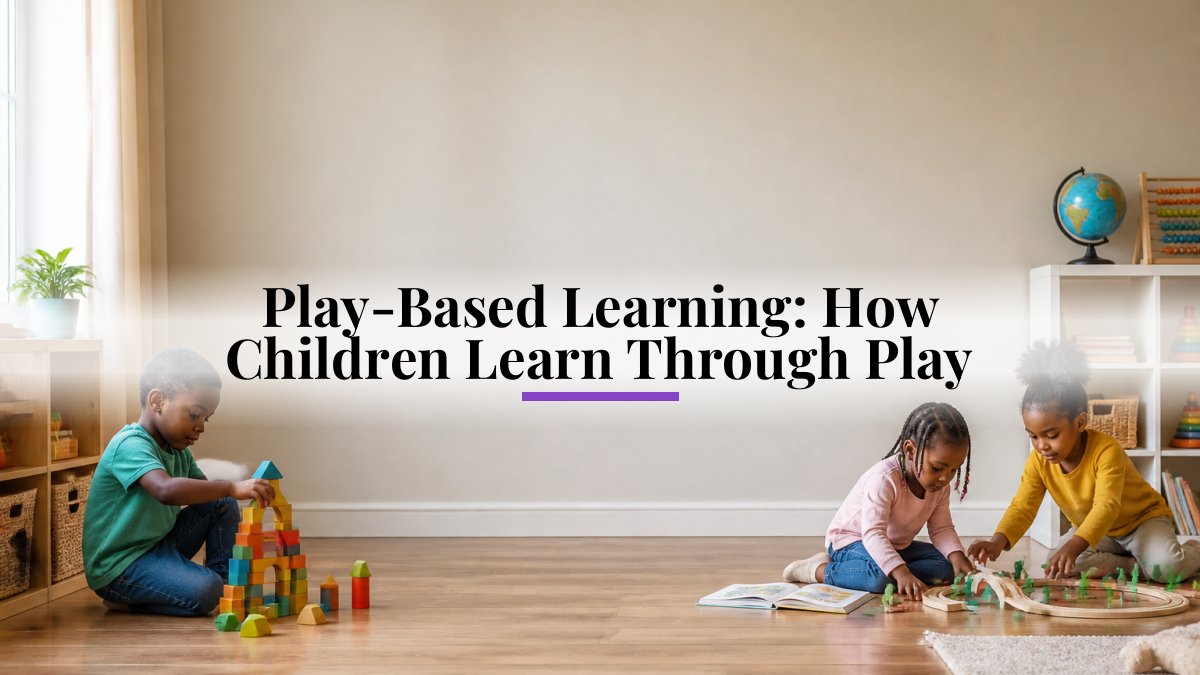
Play based learning is the single most efficient way to support all five pillars at once. One session of pretend cooking can involve stirring (physical), counting ingredients (cognitive), narrating the recipe (language), sharing the pot with a sibling (social-emotional) and wiping the table afterwards (adaptive).
Nutrition, Safety and Responsive Caregiving: The Foundations Behind the Pillars
The pillars stand on three foundations: adequate nutrition, safety and security, and responsive caregiving. Without them, the pillars wobble regardless of how many toys a child owns.
Frequently Asked Questions
What are the five pillars of child development?
The five pillars are physical development, cognitive development, language and communication, social and emotional growth, and adaptive or self-help skills. Each pillar supports the others rather than developing on its own. A child who can hold a crayon (physical) is better placed to draw letters (cognitive), ask for a turn (language) and share with a friend (social). Watching all five together gives you a fuller picture of your child's progress than tracking one area alone.
How can parents support cognitive development in toddlers?
Give toddlers simple problems to solve during ordinary play. Stacking cups, sorting shapes, matching colours and copying patterns all build thinking skills. Name what your child is doing as they do it, and ask short questions that need more than a yes or no. Keep sessions brief, around five to ten minutes, and follow your child's interest rather than a fixed plan. Rotating toys weekly keeps attention fresh and stops familiar items from being ignored.
Why is play based learning so important in the early years?
Play is how young children practise every pillar at once. Building with blocks works on motor skills, planning and language as a child explains what they are making. Pretend play builds social and emotional learning because children take turns, negotiate roles and manage frustration. Play based learning also keeps children willing to try again after a mistake, which matters more in the early years than getting the right answer first time.
How do the five pillars affect school readiness?
Children who enter school with steady progress across all five pillars settle faster. Language skills help them follow instructions, adaptive skills help them manage their belongings, and social and emotional growth helps them cope with sharing a classroom. Weakness in one pillar can hold back the others, so a child who struggles to speak up may look less able than they are. Early intervention where a gap appears makes a real difference before formal learning begins.
Raising a child who is strong in body, curious in mind, fluent in speech, steady in feeling and capable in daily life is a long project, and no single purchase completes it. What helps is having the right tools within reach at each stage. MasterKids curates safe, age-appropriate toys and STEM kits that turn everyday play into real development, backed by nationwide delivery and a focus on quality over counterfeits. Get started with MasterKids and give your child play that builds all five pillars.