 ultimate-guide
Educational Toys for All Ages: A Parent's Guide
Table of Contents
- Why Educational Toys Matter at Every Stage
- Best Problem Solving Toys for Preschoolers
- STEM Kits for Primary School Students
- Frequently Asked Questions
Last Updated: September 9, 2026
Why Educational Toys Matter at Every Stage
Children learn best when genuinely engaged, and educational toys for all ages turn play into a foundation for cognitive development, problem-solving, and confidence. A well-chosen gift can spark a lasting love of learning, from a toddler's first stacking blocks to a teenager's robotics kit.
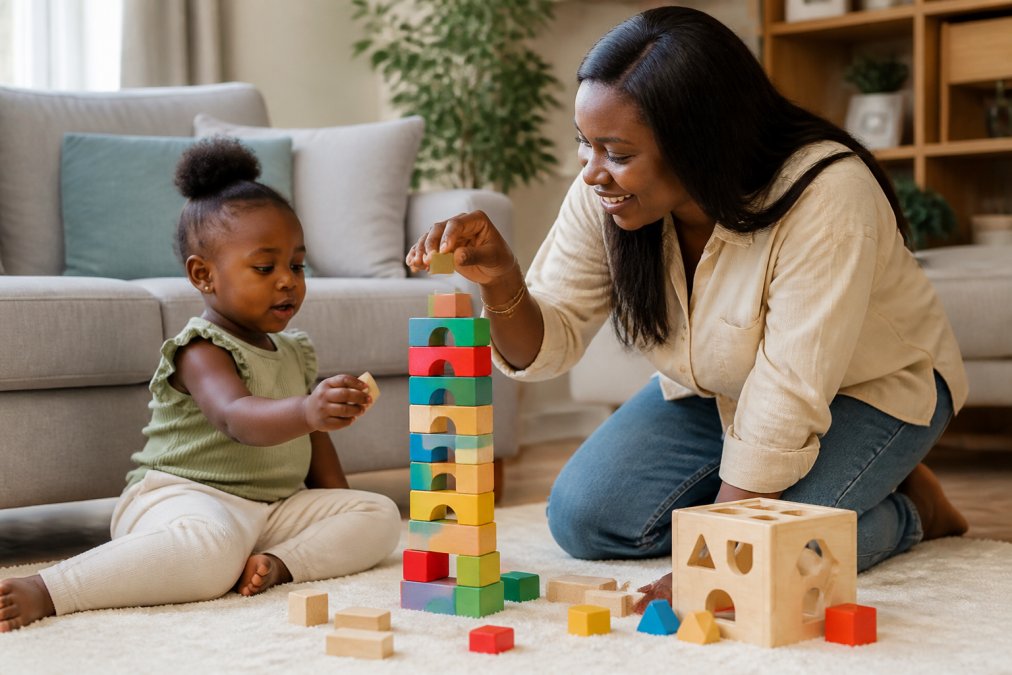
The magic lies in matching the toy to the developmental stage. A toy that challenges a two-year-old will bore a seven-year-old, while a toy that suits a teenager will frustrate a preschooler. When the difficulty is just right, children enter focused, child-led play where the deepest learning happens.
Best Problem Solving Toys for Preschoolers
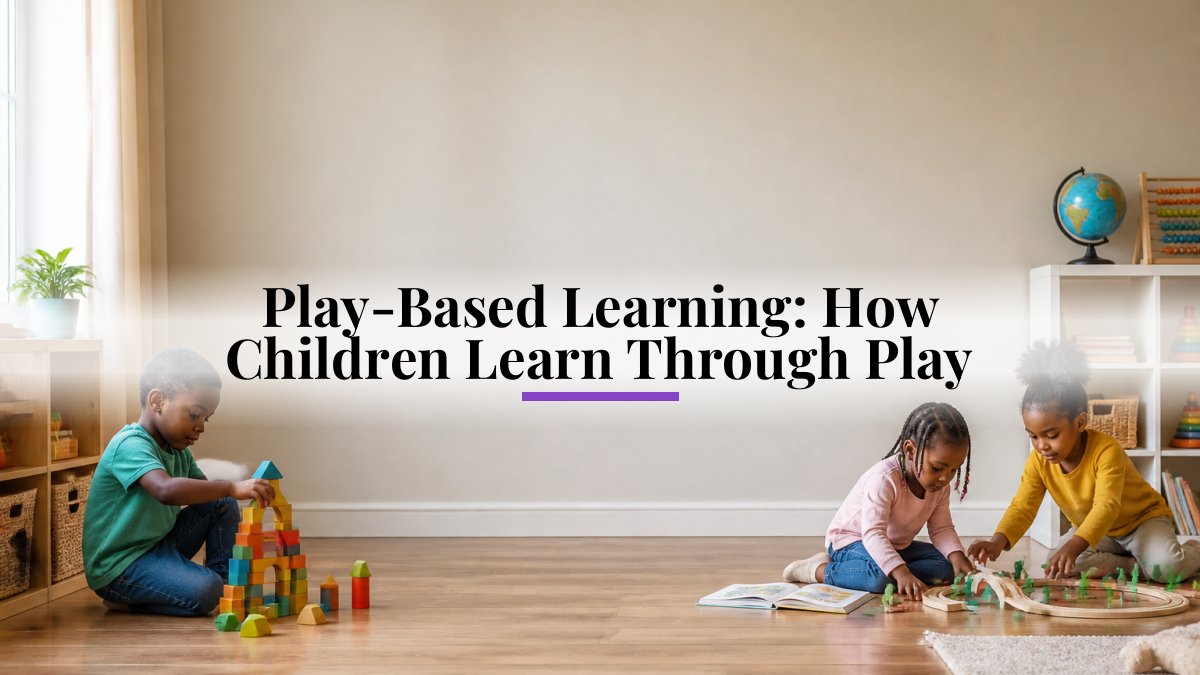
For preschoolers, the best problem solving toys for preschoolers encourage trial, error, and discovery without requiring reading skills. Puzzles with chunky pieces, shape sorters, and simple building blocks develop spatial awareness, hand-eye coordination, and logical reasoning.
Look for toys that allow open-ended play, where there is no single correct answer. Magnetic tiles, for instance, let a child construct a tower, a bridge, or a house, each attempt teaching a lesson in balance and gravity while building skills for early mathematics and science.
STEM Kits for Primary School Students
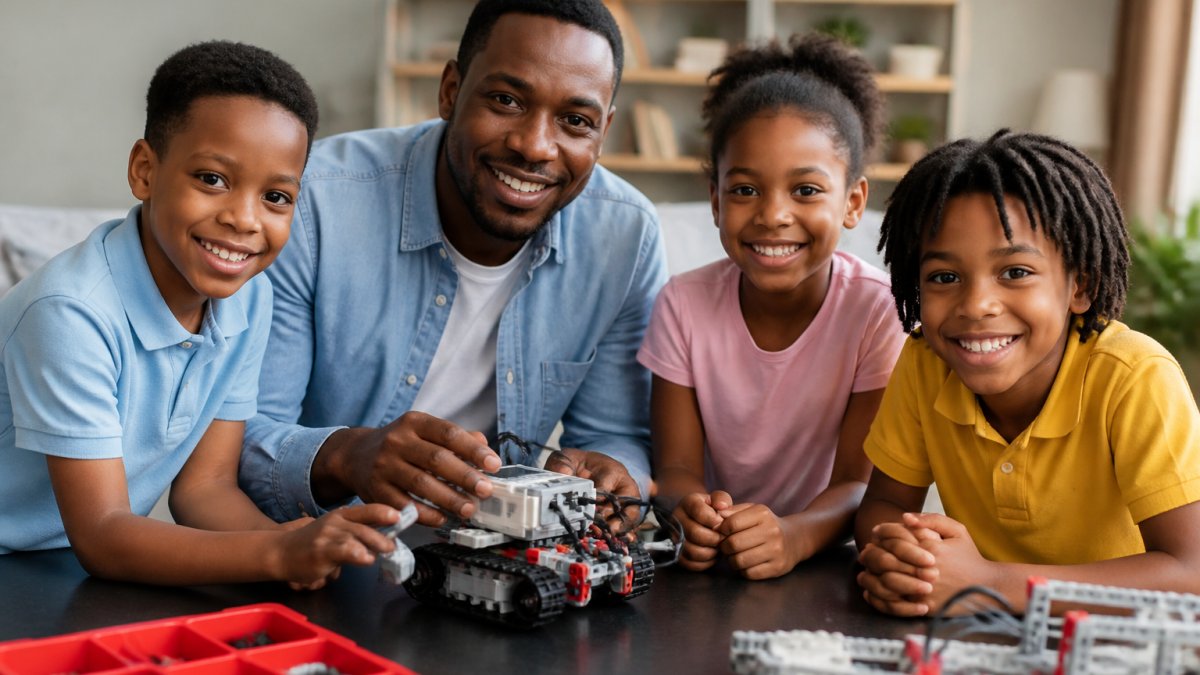
STEM kits for primary school students introduce basic principles of science, technology, engineering, and mathematics through hands-on projects. A simple circuit kit, a beginner's coding robot, or a set for growing crystals makes abstract ideas tangible and shows a child that their actions produce real results.
When selecting a kit, consider the child's patience and reading level. Kits with picture-based instructions suit younger students, while older children can handle multi-step builds. The goal is to encourage critical thinking through play, turning 'what happens if I do this?' into a habit of experimentation.
A common mistake is choosing a kit that is too advanced, leading to frustration. Start with a project that can be completed in one or two sessions to build accomplishment. Choose kits with strong parts that survive being rebuilt many times, ensuring learning continues long after the first project. If you are unsure which option suits your child best, MasterKids offers nationwide delivery, so you can browse the full range from home and have the right kit arrive at your door.
Frequently Asked Questions
How do educational toys support cognitive development in children?
Educational toys challenge a child's mind by presenting problems to solve, patterns to recognise, and creative scenarios to explore. For example, building blocks improve spatial awareness, while puzzles develop logical reasoning. These activities build foundational skills like memory, attention, and flexible thinking. When you choose educational toys for all ages, you are giving your child a chance to practise these skills through play, which helps them handle more complex learning tasks at school with greater confidence and curiosity.
What safety standards should I look for when buying toys?
Always look for toys that meet international safety standards, such as the EN71 mark, and check for clear age recommendations on the packaging. Avoid toys with small, detachable parts for children under three. For older children, check that STEM kits use non-toxic materials and have no sharp edges. Buying from a trusted retailer reduces the risk of counterfeits, giving you peace of mind about durability and safety.
How do I balance screen time with hands-on educational play?
A simple rule is to treat screen time as one option among many, not the default activity. Hands-on toys like building sets, art supplies, and board games naturally engage fine motor skills and encourage collaborative play, which screens cannot replicate. Set clear boundaries, such as no screens during meals or before homework. Then, make hands-on toys easily accessible. When you pick educational toys that match your child's interests, they will often choose them over a tablet without a fight.