 blog
blog
Reviews of Child-Safe Educational Toys: A 2026 Guide
Table of Contents
- Why Reviews of Child-Safe Educational Toys Matter
- How to Spot Fake Educational Toys Before You Buy
- SON Approved Toys for Children: What the Mark Really Means
- Is an Organic Cotton Plush Toy Worth It?
- Matching Educational Toys to Your Child's Age and Stage
- Durability, Cleaning and Toy Rotation: Making Toys Last
- What Real Buyers Ask Before Choosing Child-Safe Educational Toys
- Frequently Asked Questions
Last Updated: September 26, 2026
Why Reviews of Child-Safe Educational Toys Matter
A toy that looks harmless on a shelf can hide real risks, which is why reviews of child-safe educational toys matter before you buy. At MasterKids, we are committed to discouraging and extinguishing unsafe, counterfeit and low-quality items from the Nigerian Market. This guide shows you how to read a toy review, spot fakes, and match a toy to your child's age and stage.
How to Spot Fake Educational Toys Before You Buy
Fake educational toys give themselves away through small details: missing safety marks, flimsy packaging, and a price that seems too good to be true. Turn the product over before you buy. A genuine item carries a clear label naming the manufacturer, the recommended age, and the materials used. If that label is blurred, peeled off, or absent, walk away.
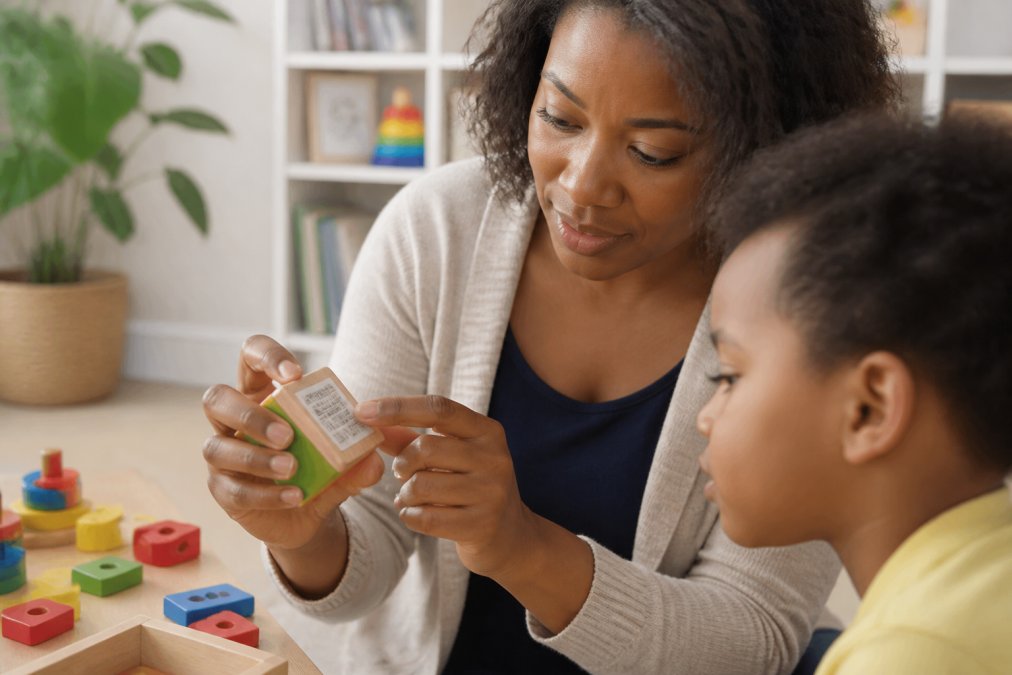
Watch for these warning signs:
- No manufacturer name or address anywhere on the toy or box
- Paint that flakes when you scratch it lightly with a fingernail
- Strong chemical or plastic smell straight out of the packaging
- Sharp edges, loose small parts, or screws that turn too easily
- A safety mark printed on a sticker rather than moulded or properly affixed
SON Approved Toys for Children: What the Mark Really Means
The Standards Organisation of Nigeria (SON) is the body responsible for setting and enforcing product standards in the country, and its mark on a toy signals that the item has been assessed against those standards. In practice, that means the product should meet requirements for material safety, construction quality, and labelling. You can read more about the organisation's role on the Standards Organisation of Nigeria official site.
What the mark actually covers
When a toy carries the mark, it has been checked against three broad areas:
- Material safety. The paints, plastics, and fabrics used should not release harmful levels of heavy metals such as lead or cadmium, and plastic parts should not contain phthalates above the permitted limit. This matters most for toys aimed at children under three, who mouth everything.
- Physical construction. Small parts must be secure enough that they do not detach under reasonable force, edges must be smooth, and gaps must not trap tiny fingers. Rattles and teethers face tighter checks because they go straight into the mouth.
- Labelling and age grading. The packaging must state the manufacturer, the recommended age range, and any warnings. A toy marked for three years and up is not suitable for a one-year-old, regardless of how it looks.
How to verify a mark yourself
A genuine mark is moulded into the plastic, printed directly onto the packaging, or supplied as a tamper-evident label with a traceable reference. A photocopied sticker on the box is a warning sign. If buying online, ask the seller for a clear photograph of the mark and the manufacturer's details before you pay. A seller who cannot provide that is not one to trust with your child's safety.
Where the mark stops and your judgement starts
The mark tells you the toy passed assessment. It does not tell you whether it suits your child's temperament, holds up to daily use, or comes with a seller who accepts returns. Pair the mark with a look at the materials, a feel of the construction, and a clear return policy. For families who want that work done for them, MasterKids stocks toys that carry the mark and are chosen for how they hold up in real homes.
A note for children with sensory needs
Is an Organic Cotton Plush Toy Worth It?
An organic cotton plush toy is worth it if your child is at the age where everything goes into the mouth, because the fabric touches skin and gums directly. Organic cotton is grown without the synthetic pesticides used in conventional farming, so the finished fabric carries fewer chemical residues. That matters for a baby who chews on a soft toy for hours.
Matching Educational Toys to Your Child's Age and Stage
Matching a toy to your child's stage is the biggest factor in whether it gets played with or abandoned. A toy that is too advanced frustrates; one that is too simple bores. The right one sits just beyond what your child can already do, stretching them without defeating them.
Here is a simple way to think about it:
| Age range | What they are working on | What to look for |
|---|---|---|
| Newborn to 6 months | Seeing, hearing, reaching | High-contrast colours, soft rattles, safe mirrors |
| 6 to 18 months | Grasping, sitting, mouthing | Chunky blocks, stacking cups, cloth books |
| 18 months to 3 years | Walking, sorting, first words | Shape sorters, pull toys, picture books |
| 3 to 6 years | Imagining, counting, drawing | Building sets, simple puzzles, art supplies |
| 6 to 10 years | Reading, logic, building | STEM kits, science sets, construction toys |
| 10 years and up | Planning, coding, designing | Robotics kits, advanced model building |
Why the stage matters more than the label
A toy marketed as educational tells you nothing about whether it suits your child right now. What matters is the skill it asks the child to practise. A shape sorter asks a toddler to match, rotate, and release, building hand control and early problem-solving. A building set asks a six-year-old to plan, test, and adjust, building spatial reasoning and persistence.
Expert-recommended categories that earn their place
Most practitioners who work with young children return to a handful of categories because they adapt as the child grows:
- Open-ended building toys. Blocks, magnetic tiles, and construction sets can be used in dozens of ways, so they stay interesting for years rather than weeks.
- Sorting and matching toys. These build early maths and language skills through repetition, and they are easy to rotate in and out.
- Pretend play sets. Simple figures, play food, and dress-up items support language and social skills, and they work for a wide age band.
- Art and mark-making supplies. Crayons, chalk, and safe paints build fine motor control and give children a way to express ideas before they can write.
- Simple STEM kits. For older children, kits that ask them to build, test, and fix something teach the habit of trial and error, which matters more than any single fact.
A rotation framework that stretches attention and budget
Buying the right toy is only half the job. The other half is how you manage it. A simple rotation works like this:
- Keep a small number out. Five to eight toys on open shelves is enough for most children. More than that and the choice itself becomes overwhelming.
- Store the rest out of sight. A lidded box or a high shelf works. The toys need to be genuinely out of reach, not just pushed to the side.
- Swap every two to three weeks. Bring out one or two stored toys and put away the ones that have lost their shine. The child experiences the stored toys as new again.
- Watch for re-engagement. If a toy comes back and gets ignored within a day, it has served its purpose for now. Store it again and try later.
For children with sensory needs
Durability, Cleaning and Toy Rotation: Making Toys Last
Durability comes down to construction, not branding. Look for smooth, sealed surfaces, screws that sit flush, and joins that do not flex when pressed. Wooden toys should feel solid in the hand; plastic toys should not bend or creak under light pressure. If a toy flexes easily, it will crack.
What Real Buyers Ask Before Choosing Child-Safe Educational Toys
The questions parents send us are remarkably consistent. The first is always safety: how do I know this is genuine and not a counterfeit? The answer is to check the labelling, buy from a seller who stands behind the product, and avoid listings that dodge questions about materials. You can review the consumer product safety guidance from the Federal Competition and Consumer Protection Commission for how to raise a complaint if a product fails you.
Frequently Asked Questions
How do I verify if a toy is safe for my child?
Check the packaging for a clear age recommendation, a manufacturer name and address, and a safety mark. Look for smooth edges, firmly attached parts, and no strong chemical smell. For children under three, avoid anything that fits inside a toilet roll tube, as that signals a choking hazard. Battery compartments should be screwed shut. If a toy arrives without proper labelling or feels flimsy, return it rather than risk it.
What are the SON standards for toy safety?
The Standards Organisation of Nigeria sets and enforces the rules that toys sold locally must meet, covering mechanical hazards, material safety and labelling. A genuine SON mark or MANCAP registration shows a product has been assessed against those requirements. When shopping online, ask the seller to confirm certification before you pay. MasterKids stocks products selected with these standards in mind, so you are not left guessing about what arrives at your door.
Why is organic cotton preferred for plush toys?
Organic cotton is grown without harsh pesticides, so the finished fabric carries fewer chemical residues next to a baby's skin. It also tends to be softer and holds up well to repeated washing, which matters because plush toys pick up drool, spills and dust quickly. The main trade-off is cost, since organic cotton usually costs more than synthetic fill. If your child sleeps with the toy or chews on it daily, the extra spend is easier to justify.
What educational toys are best for cognitive development?
Building blocks, shape sorters, simple puzzles and age-appropriate STEM kits give children something to solve rather than just watch. Open-ended toys work best because a child can use them in many ways, which builds problem-solving skills and critical thinking over time. Rotate a small selection every week or two so each toy feels new. MasterKids carries options across these categories for babies through to teenagers.
Choosing well takes a little effort, but the payoff is a toy that actually teaches your child something and survives long enough to matter. MasterKids exists to make that choice easier, with a curated selection of safe, high-quality toys and STEM kits for every stage from newborn to teenager, all backed by nationwide delivery. Browse the range at MasterKids and find something worth keeping.