 ultimate-guide
Choosing Toys for Different Ages: A Guide
Table of Contents
- Why Age-Appropriate Toys Matter for Development
- Safe Toy Selection for Infants: Birth to 12 Months
- Best Problem-Solving Toys for Preschoolers
- Benefits of STEM Kits for Children: School Age and Beyond
- Frequently Asked Questions
Last Updated: September 1, 2026
Why Age-Appropriate Toys Matter for Development
Choosing toys for different ages is far more than a shopping task, it's an investment in your child's growth. The right toy at the right developmental stage unlocks learning opportunities that generic, one-size-fits-all options cannot match.
When you choose toys aligned with your child's age and abilities, you're supporting cognitive development, fine motor skills, and social-emotional learning. A toy that's too advanced frustrates. A toy that's too simple bores. But a toy that meets your child exactly where they are becomes the bridge between what they can do today and what they'll master tomorrow.
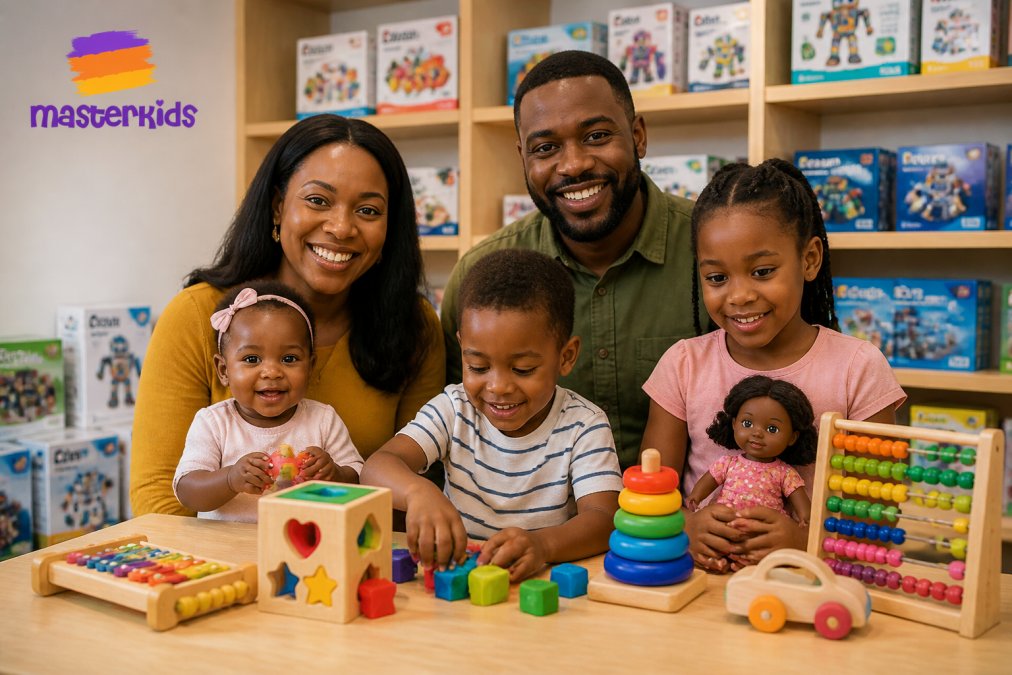
At MasterKids, we understand this deeply. Our curated selection focuses on toys that genuinely support developmental milestones, from sensory stimulation for newborns to problem-solving challenges for school-age children. Every toy meets rigorous safety standards and is free from choking hazards, BPA, phthalates, and other harmful materials.
Safe Toy Selection for Infants: Birth to 12 Months
Infants experience the world through their senses. During this first year, toys should prioritise sensory stimulation and safety. High-contrast patterns, soft textures, and gentle sounds support early visual and auditory development.
For newborns through three months, focus on toys with bold black-and-white patterns and simple shapes. Rattles with easy-to-grip handles and soft fabric books introduce cause-and-effect understanding. By four to six months, lightweight rings, teething toys, and crinkly materials become essential. From seven to twelve months, infants develop stronger hand-eye coordination and object permanence. Stacking rings, soft blocks, and toys that respond to touch encourage active exploration.
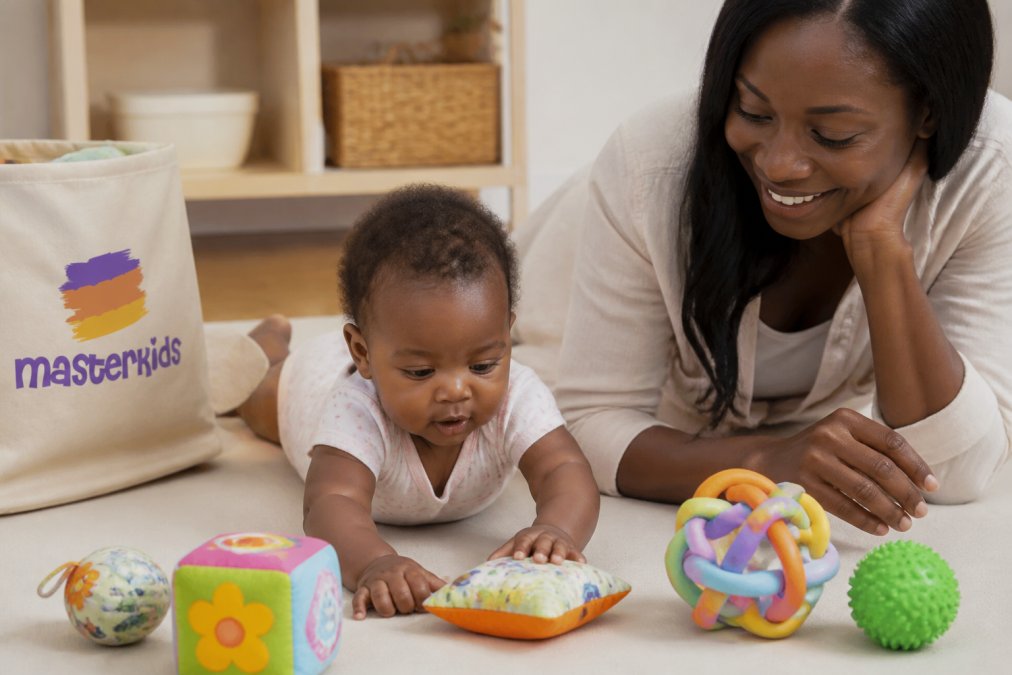
Always verify toys are non-toxic and free from small parts that pose choking hazards. Avoid toys with strings longer than 15 centimetres, detachable beads, or sharp edges. Regularly inspect toys for wear and tear, as a torn seam or loose button becomes a choking hazard quickly.
Best Problem-Solving Toys for Preschoolers
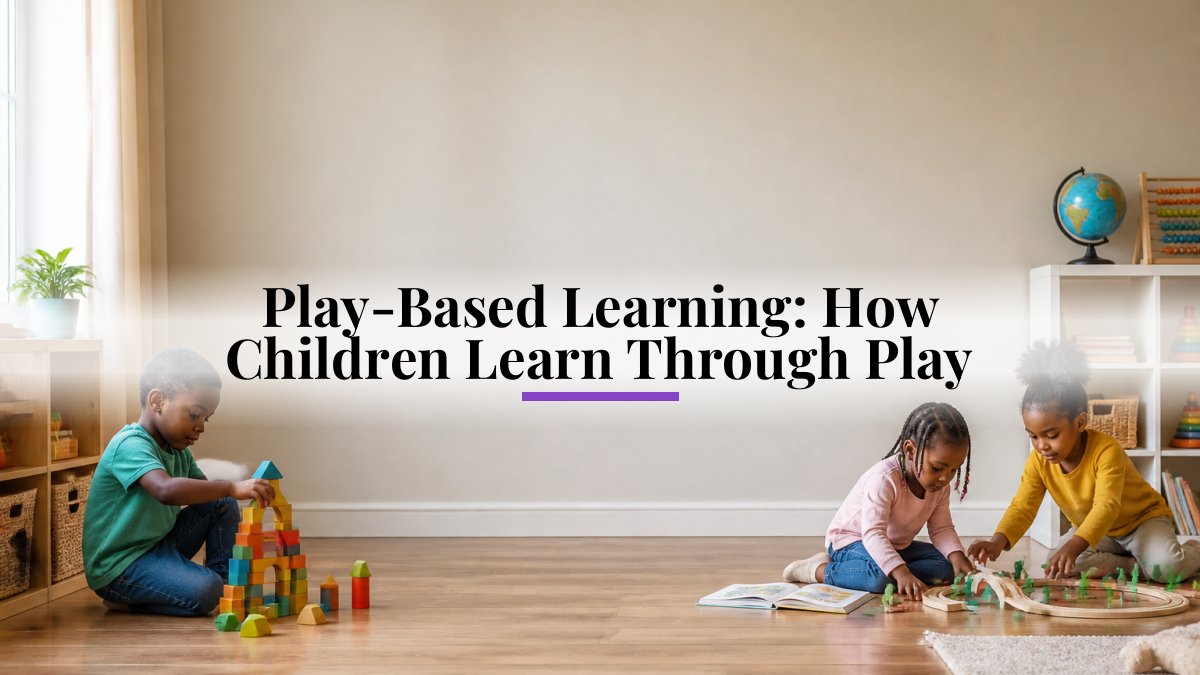
Preschoolers (ages 3-5) thrive with toys that challenge their growing problem-solving abilities whilst remaining achievable. Puzzles with 4-12 pieces build spatial awareness and hand-eye coordination. Construction sets, blocks, magnetic tiles, and building bricks develop gross motor skills and creative expression. Sorting toys, shape-matching games, and simple cause-and-effect toys like marble runs encourage logical thinking without frustration.
The best problem-solving toys are those that let children experiment without a single "right" answer. Building blocks can become a castle, a tower, or a bridge. Loose parts like wooden logs, fabric scraps, and containers transform into anything imagination suggests. This open-ended play builds confidence and fosters creative thinking.
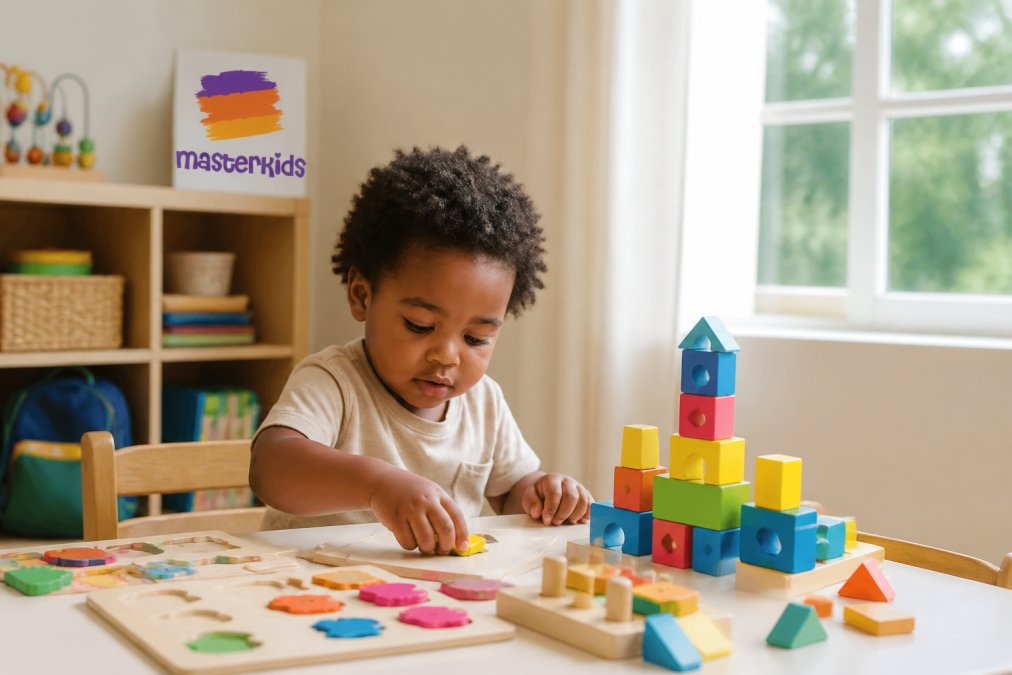
Avoid toys with too many rules or rigid outcomes. Preschoolers learn best through trial and error, and interactive play with peers develops social-emotional skills as games involving turn-taking and sharing lay foundations for later learning.
Benefits of STEM Kits for Children: School Age and Beyond
School-age children (ages 6+) are ready for structured learning through play. STEM kits, science, technology, engineering, and maths, channel their natural curiosity into hands-on discovery.
STEM kits develop critical thinking, spatial reasoning, and persistence. A coding robot teaches logic and sequencing. A crystal-growing kit introduces chemistry. A simple engineering challenge builds problem-solving stamina. These kits transform abstract concepts into tangible, testable ideas children can manipulate and understand.
The educational value extends beyond academics. STEM play develops resilience; children learn that failure is part of the process. They practise hypothesis testing, troubleshooting, and iterative thinking. For school-age learners, this foundation supports success across all subjects.
Choose kits matched to your child's interests and current abilities. A child fascinated by building might start with engineering challenges. A young scientist might prefer observation-based kits. Avoid kits marketed as "advanced" unless your child has prior experience, as frustration kills engagement faster than boredom.
MasterKids stocks STEM kits across multiple difficulty levels, so you can find the right match for your child's stage. Our nationwide delivery means quality educational toys reach families across the country, removing the barrier of finding safe, developmental products locally.
Selecting the right toys at each developmental stage sets your child up for curiosity, confidence, and genuine learning. Rather than chasing trends or buying whatever's flashy, focus on toys that match developmental milestones and spark genuine engagement. MasterKids makes this easier with curated selections designed specifically for Nigerian families, toys tested for safety, chosen for educational value, and built to fit real budgets. Start with one quality toy that matches your child's current stage, observe how they engage with it, and build from there.
Frequently Asked Questions
How do I know which toys are safe and meet proper safety standards?
Look for toys made from non-toxic, BPA-free and phthalate-free materials. Check that toys have no small parts that pose choking hazards for younger children, and verify they comply with international safety standards. MasterKids carefully curates all products to ensure they meet rigorous safety requirements, so you can shop with confidence knowing counterfeit and unsafe items are excluded from our selection.
What are the best problem-solving toys for preschoolers to develop cognitive skills?
Preschoolers benefit from open-ended play toys like building blocks, shape sorters, and simple puzzles that encourage hand-eye coordination and spatial awareness. These toys support problem-solving and creative expression whilst developing fine motor skills. Educational toys that combine imaginative play with learning, such as magnetic tiles and construction sets, help children build confidence in tackling challenges independently.
Why are STEM kits beneficial for children's development?
STEM kits foster cognitive development by encouraging hands-on exploration and stimulus-response learning. They build critical thinking, problem-solving abilities, and spatial reasoning whilst keeping children engaged in meaningful, play-based learning. For school-aged children and teenagers, STEM kits bridge the gap between fun and educational value, preparing them with skills needed for future learning and creative thinking.
This article was written using GrandRanker