 how-to
7 DIY Educational Resources for Low Budget Classrooms
Last Updated: October 26, 2026
Quick Summary
DIY educational resources are everyday items like bottle caps, cardboard boxes and fabric scraps turned into learning tools, and they stretch a small classroom fund much further. Collect safe, clean items for two weeks, sort them by subject, and store them in labelled baskets children can use themselves.
- Bottle-cap counters, a cardboard number line and shape hunt cards can each be built in under an hour.
- Keep homemade pieces bigger than a bottle cap so young children can grip them easily.
- Letter stones, word family flip books and write-and-wipe sleeves are simple literacy builds for mixed-age classes.
- Play-based activities with everyday household items support early learning without special equipment.
- The affordable educational toys guide covers bulk buying tips, with nationwide delivery available.
Table of Contents
- Start with Low-Cost Teaching and Learning Materials
- Make DIY Maths Teaching Resources from Everyday Items
- Build DIY Literacy Resources for Children
- Frequently Asked Questions
Start with Low-Cost Teaching and Learning Materials
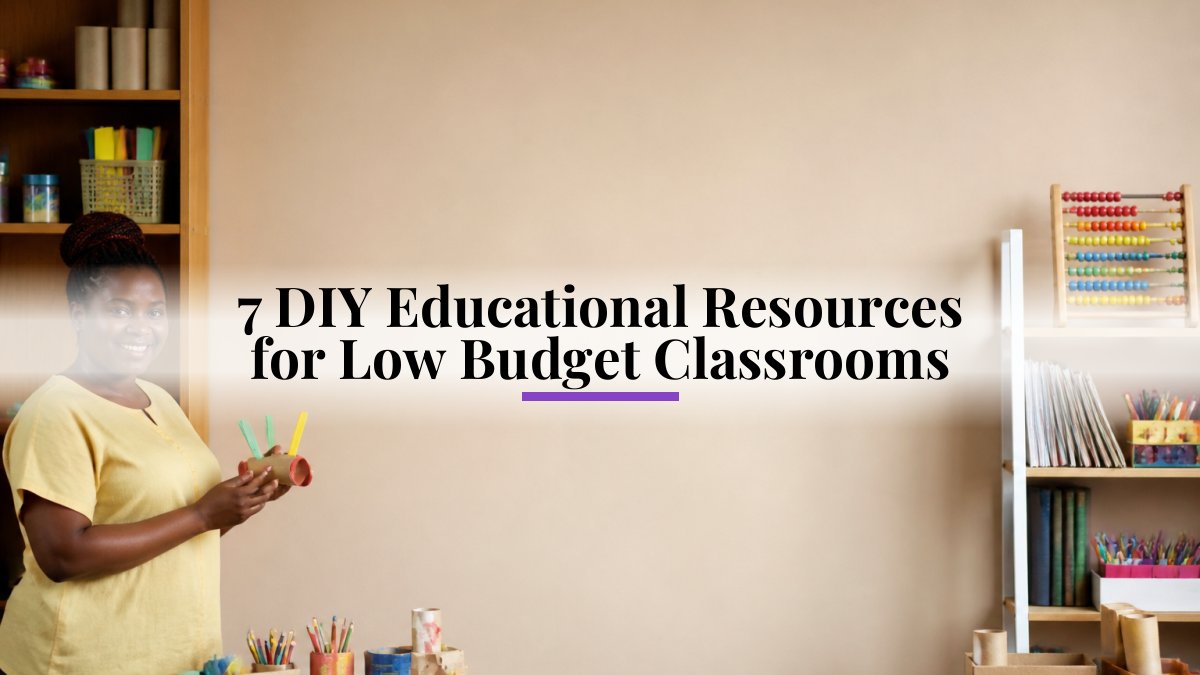
Great classrooms rarely start with big budgets. They start with a teacher who turns everyday items into DIY educational resources children enjoy using, and these diy educational resources stretch a small fund much further.
Low-cost teaching and learning materials are everyday items turned into learning tools: bottle caps, cardboard boxes, old magazines, fabric scraps, buttons and plastic containers. Collect safe, clean items for two weeks, sort by subject, remove anything sharp or broken, wash and dry everything, and store in labelled baskets children can use themselves.
For classrooms and larger groups, the affordable educational toys guide covers bulk buying tips and low-cost options that work well alongside homemade materials, and nationwide delivery is available.
Make DIY Maths Teaching Resources from Everyday Items
DIY maths teaching resources are homemade tools that teach counting, number recognition, shapes, and simple sums using cheap or free items. They work best when children can touch and move the pieces themselves.
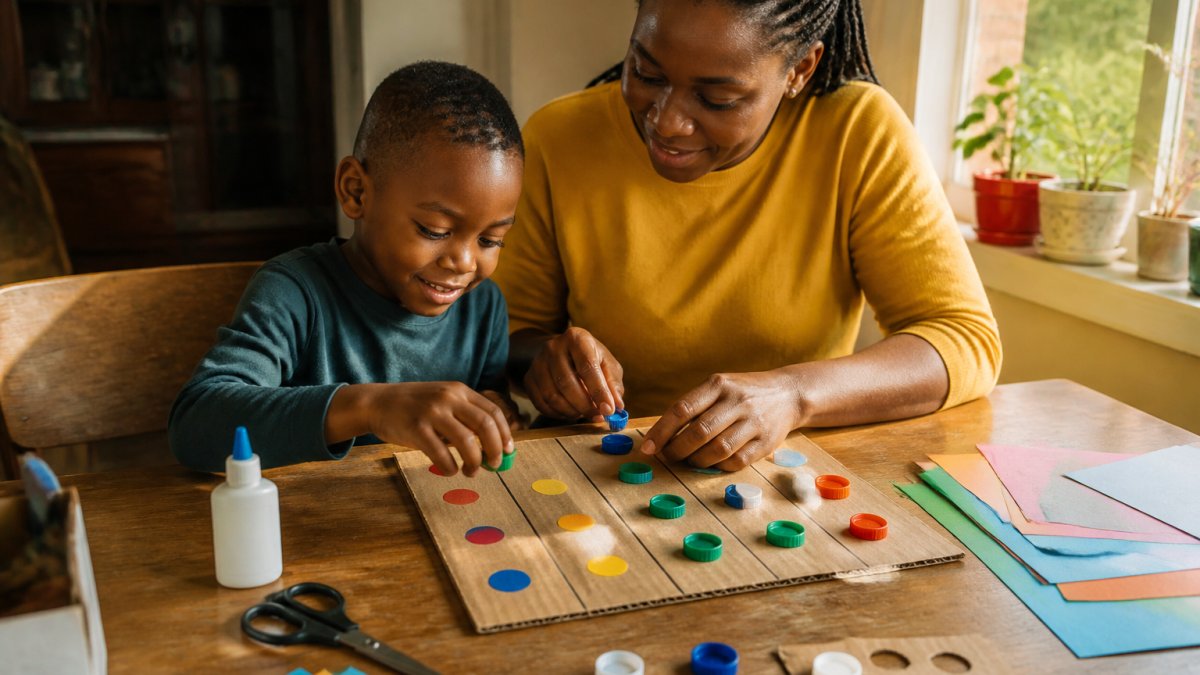
Three resources you can build in under an hour: bottle-cap counters (write 1 to 10 on clean caps and match each to a group of buttons or seeds), a cardboard number line marked 0 to 20 for hopping a toy along to solve sums, and shape hunt cards with a circle, square and triangle for children to match to real objects.
A common mistake is making the pieces too small. Young children need chunky items they can grip easily. Keep everything bigger than a bottle cap, and check edges for roughness before use.
If you want ready-made counting and number aids beside your homemade sets, shop maths toys and games.
Here are the three maths resources the article says you can build in under an hour.
| Resource | What you need | How it works |
|---|---|---|
| Bottle-cap counters | Clean caps, buttons or seeds | Write 1 to 10 on caps and match to groups |
| Cardboard number line | Cardboard marked 0 to 20, toy | Hop a toy along to solve sums |
| Shape hunt cards | Cards with circle, square, triangle | Children match shapes to real objects |
Build DIY Literacy Resources for Children
DIY literacy resources for children are homemade reading and writing tools that help with letter sounds, word building and early writing. They cost very little and adapt to different ages in the same class.
Try three simple builds: letter stones or cards with one letter each for spelling simple words, word family flip books made from stapled card strips for flipping the first letter, and write-and-wipe sleeves that let children write with a marker and wipe clean for the next child.
For younger learners, play-based activities work best. This guide on teaching toddlers shapes and colours through play shows how everyday household items support early learning without special equipment.
Language learning fits here too. A screen-free tool such as the "How Do I Say..." Yoruba talking flashcards lets children hear and repeat words, pairing well with homemade letter and word cards.
Frequently Asked Questions
How can I make educational resources for a low-budget classroom?
Start with what you already have. Cardboard boxes become flashcards, bottle caps become counters, and old fabric becomes story sacks. Keep a box for clean recyclables and ask families to donate. For maths, make number cards and a simple abacus from string and beads. For literacy, write letters on stones or paper plates. Store everything in labelled baskets so it lasts.
What are low-cost and no-cost teaching and learning materials?
No-cost materials come from home or school waste: cardboard tubes, plastic bottles, newspapers, buttons, and fabric scraps. Low-cost materials are cheap buys that add durability, such as glue sticks, scissors, markers, and write-and-wipe sleeves. A useful rule is to spend only on items that let you reuse a resource many times. For example, laminating pouches turn a paper game into a reusable classroom resource that survives a whole term.
How can teachers make classroom resources reusable?
Laminate paper games or slip them into write-and-wipe sleeves so children can use dry-wipe markers and erase. Mount cardboard games on stiff board and cover with clear contact paper. Store pieces in zip bags or small baskets labelled by topic. Choose sturdy materials like thick card, wooden pegs, and fabric instead of thin paper.