 listicle
Durable Educational Toys for Toddlers: A Parent's Guide
Table of Contents
- Why Durable Educational Toys Matter for Early Development
- Safe Educational Toys for Toddlers: What Makes Them Different
- How to Check Toy Quality Standards Before You Buy
- Durable Educational Toys That Support Learning Milestones
- Frequently Asked Questions
Last Updated: September 3, 2026
Durable Educational Toys for Toddlers: A Parent's Guide
When you're shopping for toys, durability matters more than you might think. A toy that falls apart after a week isn't educational, it's a waste of money and a source of frustration. At MasterKids, we understand that parents need durable educational toys that survive the chaos of toddler play whilst genuinely supporting learning and development. 🎯
This guide covers what makes certain toys built to last, how to spot quality before you buy, and which types of toys deliver real developmental benefits alongside durability.
Why Durable Educational Toys Matter for Early Development
Toddlers are hard on toys. They throw, chew, drop, and bend things in ways that reveal instantly whether something is well-made or destined for the bin. But durability isn't just about saving money, it's about learning continuity.
When a toy breaks mid-play, your child loses the chance to explore, problem-solve, and build confidence with that tool. A sturdy wooden block set that lasts through multiple children teaches persistence and spatial awareness. A flimsy plastic toy that snaps after two weeks teaches disappointment.
Durable educational toys also tend to have better design. Manufacturers who invest in quality materials and construction typically think harder about developmental benefits too. They use non-toxic finishes, ergonomic shapes for small hands, and open-ended features that grow with your child. This durability-quality link means you're not just buying longevity, you're buying thoughtful learning design. 🧠
Safe Educational Toys for Toddlers: What Makes Them Different
Safe educational toys for toddlers share specific characteristics that set them apart from generic plastic toys. Understanding these differences helps you make smarter choices.
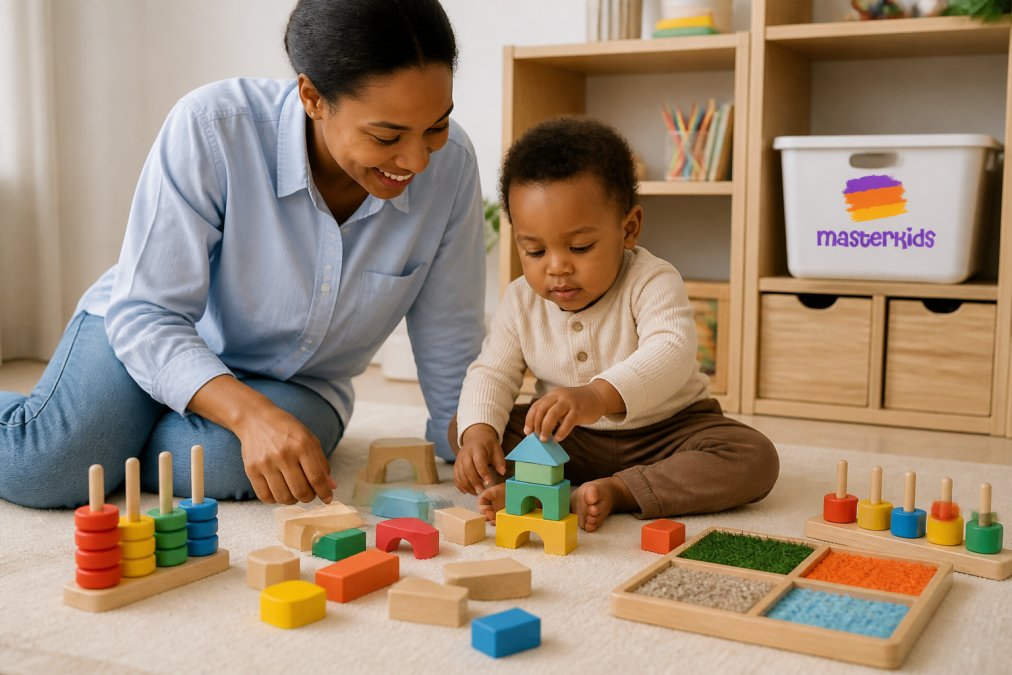
First, materials matter enormously. Quality safe educational toys for toddlers use natural materials like sustainably sourced wood, organic cotton, or food-grade silicone rather than cheap plastics that off-gas harmful chemicals. These materials withstand repeated use, washing, and teething without degrading.
Second, design prioritises accessibility. Toys with large, chunky pieces prevent choking hazards. Smooth edges and no sharp points mean safer exploration. Toys that encourage open-ended play, stacking, sorting, building, develop fine motor skills and critical thinking rather than just entertaining passively. 👶
Third, construction quality shows in the details. Solid joinery, reinforced seams, and secure fastenings mean pieces don't detach easily. A toy that's glued together poorly becomes a hazard when it falls apart.
How to Check Toy Quality Standards Before You Buy
Before adding any toy to your collection, run through a quick quality check. This takes two minutes and saves heartache later.
Look for certification marks. Reputable manufacturers display safety certifications from recognised testing bodies. Check that toys meet relevant safety requirements and have been tested for harmful substances. Ask sellers about their quality assurance processes, legitimate businesses are transparent about this.
Inspect materials and construction. Pick the toy up. Does it feel solid or flimsy? Are edges smooth? Do moving parts move smoothly or with resistance that suggests poor design? Shake it gently, do you hear rattling that suggests loose internal parts? Look at seams and joints. Are they reinforced or just glued?
Read real parent feedback. Look for reviews that mention longevity specifically. Parents mention when toys break quickly or hold up through multiple children. They'll tell you if paint chips off, if wooden pieces splinter, or if plastic becomes brittle. This real-world data beats marketing claims every time.
Check return policies. Trustworthy retailers like MasterKids offer clear policies if a toy arrives damaged or fails prematurely. This confidence in their products signals they've done quality work. We also provide nationwide delivery, so you can order with confidence knowing your toys will arrive safely, no matter where you are. 🛡️
Durable Educational Toys That Support Learning Milestones
The best durable educational toys align with your child's developmental stage. A toy that's too advanced frustrates; one that's too simple gets ignored.
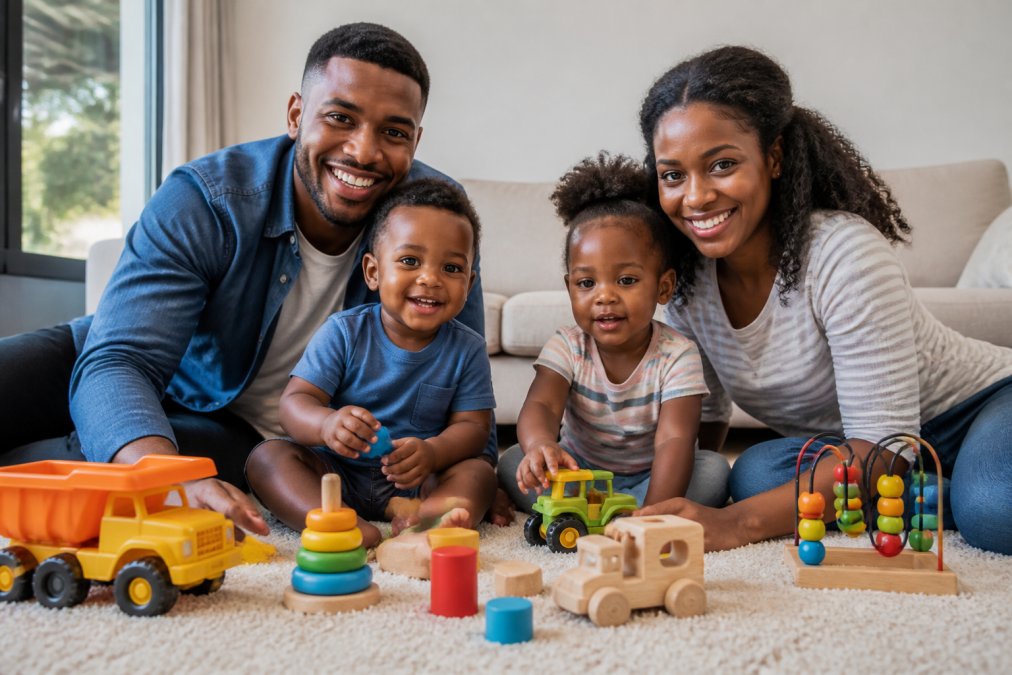
For 12-18 months: Stacking rings, wooden shape sorters, and soft blocks develop hand-eye coordination and problem-solving. These toys should have chunky pieces, smooth finishes, and simple mechanics. Wooden options outlast plastic by years.
For 18-24 months: Building blocks, threading toys, and cause-and-effect toys like pop-up games build fine motor skills and spatial awareness. Look for solid construction, toddlers at this stage test toys by throwing them.
For 2-3 years: Puzzles with chunky pegs, balance bikes, and open-ended building sets support cognitive development and gross motor skills. Durability here means the toy survives active, energetic play without breaking.
Quality matters most when toys get heavy use. A well-made wooden puzzle survives hundreds of uses; a flimsy plastic one splits or warps after weeks. 🎨
Frequently Asked Questions
How do I identify safe and durable toys for my toddler?
Check for non-toxic materials, smooth edges, and sturdy construction that won't break easily. Look for products tested against international safety standards. Avoid toys with small parts that pose choking hazards. Inspect regularly for wear and damage. MasterKids curates toys meeting rigorous safety criteria, helping you avoid counterfeit products that may not meet proper standards.
What are some good educational toys for a 2-year-old?
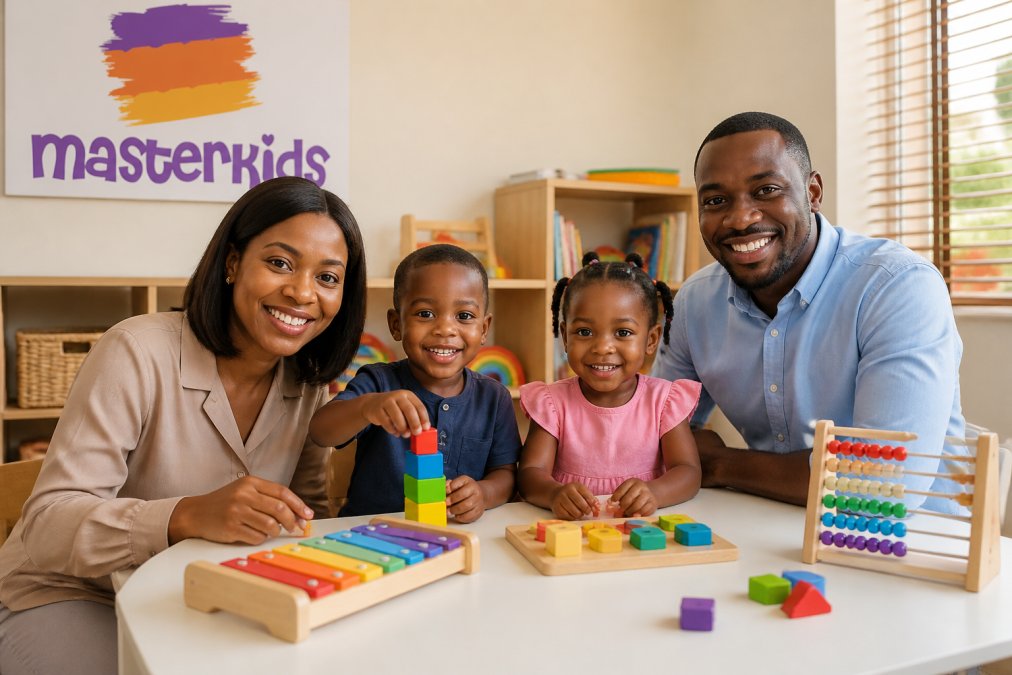
Two-year-olds benefit from toys supporting fine motor skills, hand-eye coordination, and problem-solving. Shape sorters, stacking rings, and wooden puzzles encourage cognitive development. Sensory toys with different textures build tactile learning. Look for age-appropriate options on MasterKids that combine durability with educational value, ensuring toys withstand active play whilst promoting developmental milestones.
What toys are best for brain development in toddlers?
Toys encouraging open-ended play, critical thinking, and spatial awareness support cognitive development most effectively. Building blocks, shape-matching games, and interactive toys foster logical reasoning. Montessori-inspired learning tools promote independent exploration. STEM toys introduce early problem-solving skills. Choose durable options that survive repeated use, allowing children to engage deeply with learning activities rather than replacing broken toys frequently.
When you invest in durable educational toys, you're not just buying objects, you're building your child's learning toolkit. Quality toys teach longer, frustrate less, and often pass down to younger siblings or friends. MasterKids curates toys specifically chosen for durability and developmental value, ensuring every purchase supports both learning and longevity. Visit our website to explore toys selected for lasting quality and genuine educational benefit.
This article was written using GrandRanker