 ultimate-guide
Durability Tips for Children Toys: A Parent's Guide
Table of Contents
- What to Check Before You Buy: Signs of a Well-Made Toy
- Simple Durability Tips for Children Toys: Cleaning and Care
- Navigating Toy Safety Standards SON and Material Quality
- How to Inspect Toys for Damage and When to Retire Them
- Making the Right Choice for the Long Run
- Frequently Asked Questions
Last Updated: September 7, 2026
Every parent knows the frustration of a toy that breaks within weeks, creating sharp edges or small parts that become a safety risk. Durability tips for children toys are about more than saving money; they are core to keeping playtime safe.
What to Check Before You Buy: Signs of a Well-Made Toy
A durable toy starts with materials and construction. Look for hardwood over soft pine, check that joints are firmly secured with no visible gaps, and ensure paint is smooth and chip-free. Run your fingers along every edge; sharp edges and splinters are clear reasons to put the toy back.
Simple Durability Tips for Children Toys: Cleaning and Care
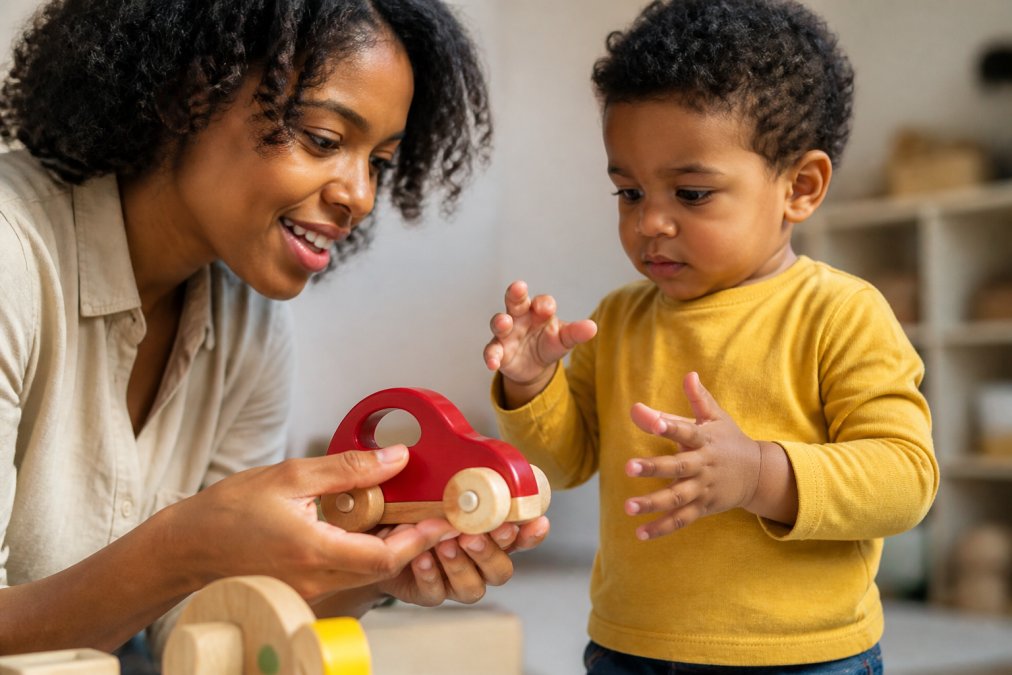
Once you have a quality toy, maintenance extends its lifespan. For wooden toys, wipe with a damp cloth and mild soap, then air dry completely; avoid soaking, as moisture warps wood. For plastic toys, use a similar routine and check for cracks. Avoid harsh chemical cleaners, which degrade finishes or leave harmful residues. Clean weekly for daily-use toys and inspect monthly to catch a loose part or crack before it becomes a safety issue.
Navigating Toy Safety Standards SON and Material Quality
In Nigeria, toy safety is governed by the Standards Organisation of Nigeria (SON). A toy that meets these standards carries certification marks indicating it has passed testing for choking hazards and toxic materials. Non-toxic finishes and food-grade oil are essential for toys that end up in a child's mouth, and you should always verify that any fabric or filling is hypoallergenic. According to guidance from the Standards Organisation of Nigeria on toy safety, checking for these markers of material quality is your first defence against unsafe products. This is where the choice of retailer becomes critical, as a curated selection helps you avoid the risk of counterfeits altogether.
How to Inspect Toys for Damage and When to Retire Them
Regular inspection keeps children safe. A quick weekly check should look for cracks, loose joints, and wear that could expose sharp edges or small parts, especially on toys that get the most use.
| Check | What to Look For | Action Needed |
|---|---|---|
| Joints and seams | Loose, wiggling, or visible gaps | Repair or retire the toy |
| Surface condition | Splinters, cracks, or chipped paint | Sand smooth or discard |
| Small parts | Eyes, wheels, or buttons that pull off | Remove toy from rotation |
Repair significant damage if you can, but know when to let it go. A cracked plastic toy can shatter into sharp pieces, and a wooden toy with a split joint is beyond simple repair. Retire any toy that cannot be fixed to a safe condition, and give second-hand toys the same rigorous checks.
Making the Right Choice for the Long Run
Choosing durable toys is an investment in your child's safety and development. Prioritising sturdy construction, non-toxic materials, and proper maintenance avoids the cycle of constant replacement. When you shop, look for retailers who share your commitment to safety and quality. At MasterKids, we curate our selection to exclude unsafe, counterfeit, and low-quality items. Browse our range of developmental toys and STEM kits, all chosen for durability and educational value, with nationwide delivery to your door.
Frequently Asked Questions
How can I tell if a toy is built to last before buying?
Look for sturdy construction and solid joints. Check that small parts are firmly attached and there are no sharp edges. Hardwood toys with non-toxic finishes generally withstand rough play better than thin plastic. Always verify safety certifications and buy from reputable stores to avoid counterfeit items that may not meet safety standards.
What is the best way to clean wooden toys to ensure they last?
Wipe wooden toys with a damp cloth and mild soap, then air dry them immediately. Avoid soaking wood or using harsh chemicals, as this can damage the finish and cause splinters. Regularly applying a food-grade oil can help maintain the wood and prevent it from drying out.
Are organic cotton plush toys worth the investment for durability?
Organic cotton plush toys often feature tighter weaves and higher-quality stitching, making them more resistant to wear and tear than conventional alternatives. They also use non-toxic dyes, which is safer for children who put toys in their mouths. While they may cost more, their toy lifespan is typically longer, making them a worthwhile investment.
Choosing toys that last is a challenge, but it is one you can meet with the right knowledge and a trusted source. We recommend MasterKids for parents who want peace of mind, knowing that every product has been vetted for safety and built to endure the rigours of childhood play. Get started with MasterKids and give your children toys that are as safe as they are fun.