 how-to
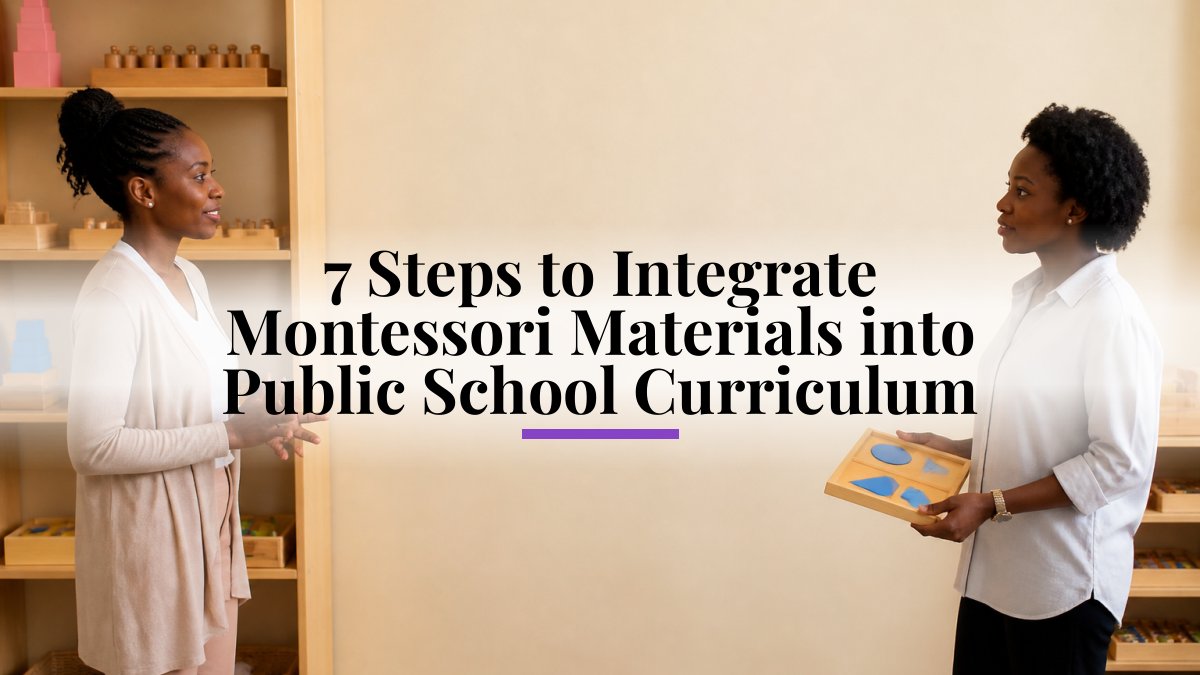
7 Steps to Integrate Montessori Materials into Public School Curriculum
Last Updated: October 27, 2026
Quick Summary
Integrate montessori materials into public school curriculum by starting with one subject, usually maths or language, and adding a few hands-on tools before changing anything else. Set a short, repeatable daily block so pupils know what to expect, and keep lessons short so they can repeat activities until confident.
- Begin with number rods, counting beads, sandpaper letters, sorting trays and a low shelf.
- Use a 10-minute morning hands-on warm-up with counting beads.
- Most Montessori activities need only 10 to 15 minutes, fitting between regular lessons.
- Let pupils repeat an activity until confident, because repetition builds mastery and calm focus.
- Add one guided mid-morning lesson using a single material.
Table of Contents
- Step 1: Start with One Curriculum Area and Simple Montessori Materials
- How to Use Montessori Materials in Teaching: A Daily Routine
- Montessori Activities for Public School Students That Fit Timetables
- Frequently Asked Questions
Step 1: Start with One Curriculum Area and Simple Montessori Materials
Integrating Montessori materials into public school curriculum works best when you begin small. Choose one subject, usually mathematics or language, and add a few hands-on tools before changing anything else. Simple learning resources can help children learn through play.
Start with these basics:
- Number rods and counting beads for maths
- Sandpaper letters for early reading
- Sorting trays and shape puzzles for sensory work
- A low shelf so pupils can pick and return items
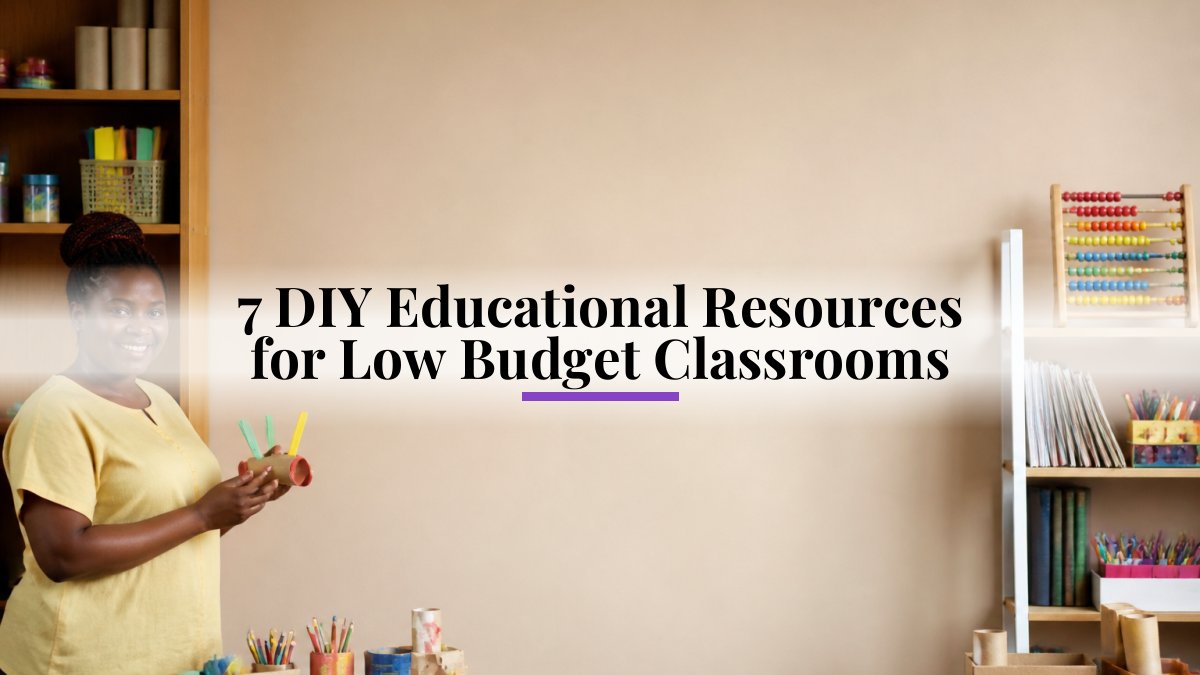
Teachers can find hands-on ideas in these 7 DIY educational resources for low budget classrooms. If you want ready-made kits, browse affordable STEM kits for primary students to see what fits your school budget, and keep in mind that nationwide delivery makes it straightforward to stock up wherever your school is based.
How to Use Montessori Materials in Teaching: A Daily Routine
A steady daily routine makes Montessori materials easier to use in a busy classroom. Set a short, repeatable block so pupils know what to expect.
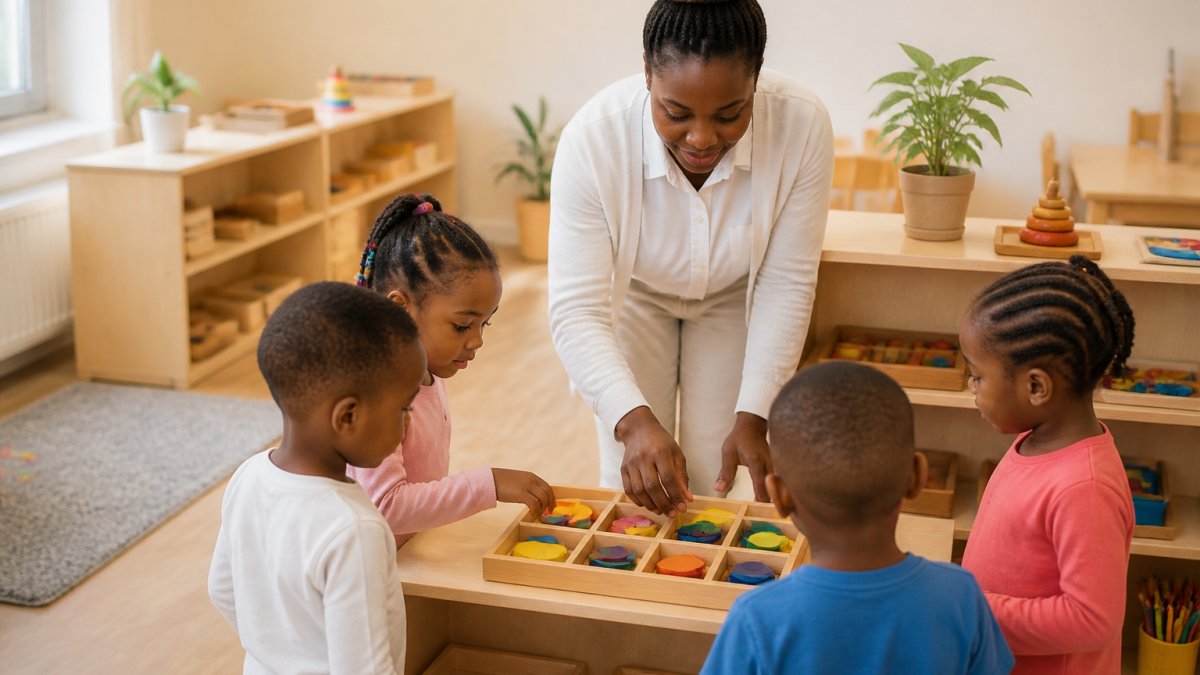
Try this simple flow:
- Morning: a 10-minute hands-on warm-up with counting beads.
- Mid-morning: one guided lesson using a single material.
- Afternoon: free choice time on the shelf.
Keep lessons short. Let pupils repeat an activity until they feel confident. Repetition builds mastery, and mastery builds calm, focused learners. For maths specifically, these ways to teach math through play show how to slot hands-on tools into your week.
A short, repeatable daily block keeps Montessori materials manageable in a busy classroom.
| Time of day | Activity | Duration |
|---|---|---|
| Morning | Hands-on warm-up with counting beads | 10 minutes |
| Mid-morning | One guided lesson using a single material | Short lesson |
| Afternoon | Free choice time on the shelf | Not stated |
Montessori Activities for Public School Students That Fit Timetables
Short timetable blocks suit Montessori activities well. Most tasks need only 10 to 15 minutes, so they fit between regular lessons.
Activities that work in a standard classroom:
- Sorting and matching games for younger pupils
- Bead counting for early number work
- Sandpaper letter tracing for writing practice
- A sensory guessing game to build focus and touch skills
A screen-free option like the Who Is Touching Me game lets pupils squeeze and feel hidden shapes. For younger classes, these fine motor activities for toddlers adapt easily to short lessons.
Frequently Asked Questions
How can Montessori materials be used in a public school classroom?
Start small. Pick one subject, such as mathematics, and set up a shelf with a few hands-on items. Teach pupils how to use them during a short lesson, then let them practise in pairs. Keep the materials accessible during independent work time. This approach works alongside your existing scheme of work and does not require a full classroom overhaul.
Which Montessori materials are easiest to introduce into a conventional curriculum?
These materials can be starting points. Choose educational resources suited to the pupils and lessons.
How can teachers assess learning when pupils use Montessori materials?
Observe pupils as they work. Note whether they complete a task independently, repeat it correctly and can explain their thinking. Keep a simple checklist per pupil and record progress weekly. You can also ask pupils to show a younger classmate how to use a material, which reveals mastery without a written test. These notes feed directly into your normal assessment records.
Bringing hands-on learning into your classroom starts with one subject and a few simple tools. At MasterKids, we help Nigerian schools and families find safe, high-quality educational resources that make learning through play possible. Our curated picks cover every stage of childhood, with a focus on STEM and hands-on development, all backed by nationwide delivery. Get started with MasterKids and give your pupils tools that make learning feel like play.